
K-beauty statistics 2026: 401 Korean products analyzed
These K-beauty statistics count 401 Korean skincare products from 63 brands in the Skin Gwang catalog, as of October 24, 2026. Half of them list niacinamide as a key ingredient, almost every Korean sunscreen is SPF 50 with PA++++, and most products are matched to dry rather than oily skin.
Key K-beauty statistics for 2026
- 50% of Korean skincare products list niacinamide as a key ingredient (200 of 401).
- 52% list at least two of the five most common key ingredients: niacinamide, hyaluronic acid, panthenol, centella and ceramides.
- 11% list PDRN (sodium DNA), from 17 brands. Snail mucin is a key ingredient in only 6 products.
- 41 of 43 Korean sunscreens that state an SPF are SPF 50 or 50+, and 33 of 34 that state a PA rating are PA++++.
- 26 of 51 Korean sunscreens use chemical filters only; 17 are hybrid and 6 are mineral only.
- 72% of 345 products with a full ingredient list contain neither fragrance nor an essential oil (fragrance count).
- 9 of 46 sunscreens with a full ingredient list contain fragrance.
- 2 of 29 retinoid products are tagged for sensitive skin.
- 60% of products are tagged for dryness, against 10% for acne.
- 49% of products come from the ten largest brands.
How to cite these numbers
Skin Gwang, "K-beauty statistics 2026: 401 Korean products analyzed", https://skingwang.com/guides/korean-skincare-by-the-numbers/ (catalog data as of October 24, 2026; fragrance counts as of November 1, 2026).
How the numbers were counted
What is in the catalog. The Skin Gwang catalog is a hand-picked list of Korean products that US shoppers can buy from Amazon US, YesStyle and Stylevana. It is not a random sample of the whole Korean market. Products that are easy to buy in the US are over-represented.
Which products were counted. 401 skincare products from 63 brands: serums, moisturizers, sunscreens, toners, cleansers, masks, spot products, essences and eye care.
What the counts are based on. Each product's catalog tags:
- the skin types and concerns it is matched to;
- its listed key ingredients.
These tags are taken from each product's description and ingredient list. They are not test results.
How ingredient names were grouped. Variants count once per product: sodium hyaluronate counts as hyaluronic acid, madecassoside as centella.
The most common key ingredients
| Key ingredient | Products | Share of 401 |
|---|---|---|
| Niacinamide | 200 | 50% |
| Hyaluronic acid (any form) | 121 | 30% |
| Panthenol | 118 | 29% |
| Centella asiatica | 110 | 27% |
| Ceramides | 82 | 20% |
| Allantoin | 47 | 12% |
| Squalane | 44 | 11% |
| Adenosine | 44 | 11% |
| PDRN / sodium DNA | 43 | 11% |
| Rice | 38 | 9% |
| Peptides | 37 | 9% |
| Collagen | 37 | 9% |
| Retinoids (retinol, retinal) | 29 | 7% |
| Vitamin C (any form) | 28 | 7% |
Niacinamide is everywhere, not only in serums.
- 200 products from 48 brands list it.
- It appears in 62 of 89 serums, 38 of 74 moisturizers and 26 of 51 sunscreens.
- It appears in only 2 of 36 cleansers, which makes sense for a product that is rinsed off.
- Example: Eqqualberry Vitamin Illuminating Serum pairs it with arbutin and tranexamic acid.
The calming, moisturizing group comes next.
- Panthenol, centella and ceramides are the next most common key ingredients after niacinamide and hyaluronic acid.
- 207 products (52%) list at least two of the five most common key ingredients.
- 49 list niacinamide and centella together, for example Aprilskin Carrotene IPMP Clearing Solution.
PDRN is the newest name with real numbers behind it.
- PDRN (sodium DNA, often from salmon) is a key ingredient in 43 products (11%) from 17 brands.
- It shows up in serums, creams, masks and eye care, for example Skin1004 Madagascar Centella PDRN 1.5 Cream.
- By comparison, snail mucin is a key ingredient in 6 products, heartleaf in 16, mugwort in 5 and propolis in 4.
Korean sunscreens: SPF 50, PA++++ and mostly chemical or hybrid filters
The catalog has 51 Korean sunscreens.
SPF. 43 state an SPF in their name or description. 41 of them are SPF 50 or 50+, one is SPF 45 and one is SPF 30.
PA rating. 34 state one. 33 of them are PA++++, the highest PA grade, and one is PA+++.
UV filters. Counted from the filters listed as key ingredients:
- 26 use chemical (organic) filters only;
- 17 combine them with zinc oxide or titanium dioxide (hybrid);
- 6 are mineral only;
- 2 do not list their filters among the key ingredients.
The key-ingredient list is shorter than the full INCI list, so read these as close estimates.
Not just sun protection. Korean sunscreens often double as skincare: 26 of the 51 also list niacinamide, and 21 list centella. An example is Iunik Centella Calming Daily Sun Water.
The Korean sunscreen guide explains what SPF and PA mean, and the UV filter reference lists each filter. The sunscreen category lists all 51.
Skin types and concerns
Most products in the catalog are matched to more than one skin type:
| Skin type tag | Products | Share |
|---|---|---|
| Combination | 389 | 97% |
| Normal | 361 | 90% |
| Dry | 279 | 70% |
| Sensitive | 195 | 49% |
| Oily | 188 | 47% |
The most common concern tags:
| Concern tag | Products | Share |
|---|---|---|
| Dryness | 239 | 60% |
| Dullness | 204 | 51% |
| Texture | 151 | 38% |
| Sensitivity | 116 | 29% |
| Redness | 91 | 23% |
| Fine lines | 82 | 20% |
| Pores | 73 | 18% |
| Oiliness | 68 | 17% |
| Hyperpigmentation | 55 | 14% |
| Acne | 39 | 10% |
Dry and dull skin are covered far more often than oily or blemish-prone skin.
- Dryness and dullness tags outnumber oiliness and acne tags about four to one.
- Of the 39 products tagged for acne-prone skin, most lean on niacinamide (19), centella (17) and panthenol (16) rather than strong acids. Salicylic acid is a key ingredient in only 7 of them.
- An example is COSRX AC Collection Blemish Spot Clearing Serum.
Strong actives are rarely tagged for sensitive skin.
- Of 29 products with a retinoid as a key ingredient, only 2 are tagged for sensitive skin.
- Retinoids sit mostly in eye care (10) and serums (9), for example COSRX The Retinol 0.3 Cream.
- Of 62 products with an exfoliating acid (salicylic, glycolic, lactic, mandelic, azelaic or similar), 20 are tagged for sensitive skin.
- So "Korean" does not automatically mean "gentle". The active ingredient matters more than where a product is made.
Brands
- The 401 products come from 63 brands.
- The ten largest brands account for 49% of them: Medicube (38 products), COSRX (26), Anua (23), Skin1004 (20), Isntree (18), Round Lab (15), Torriden (14), Numbuzin (14), Beauty of Joseon (14) and Purito (13).
- Product count reflects how many of a brand's products are easy to buy in the US and made it into the catalog. It is not a ranking of quality.
How to choose
- Count your niacinamide. If a serum, moisturizer and sunscreen all list it, another niacinamide product adds little.
- For sensitive-feeling skin, filter by the sensitive tag and by soothing key ingredients such as centella and panthenol. Of the 195 products tagged for sensitive skin, 71 list centella and 77 list panthenol.
- For retinoids and acids, start with one product and patch test first. Few of them are tagged for sensitive skin.
- For sunscreen, look for SPF 50 and PA++++, then pick a filter type and finish you will wear every day.
The beginner routine guide shows where each product type fits.
This page describes product listings and catalog tags. It is not medical advice; for a skin condition, see a doctor or dermatologist.
Products in this guide
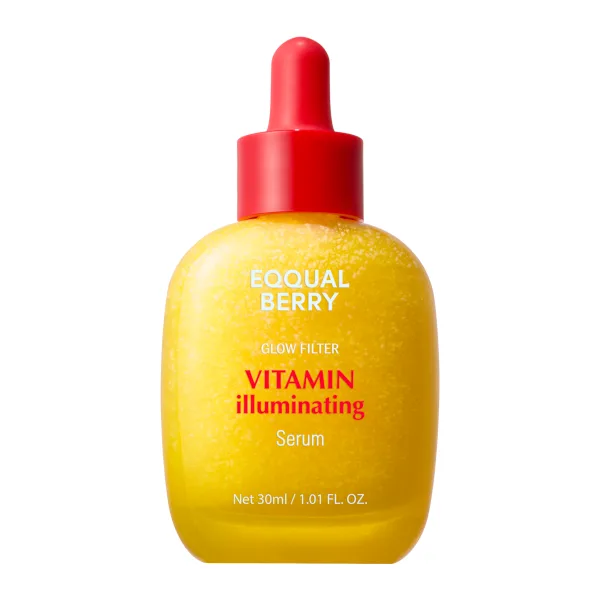 Eqqualberry
Vitamin Illuminating Serum
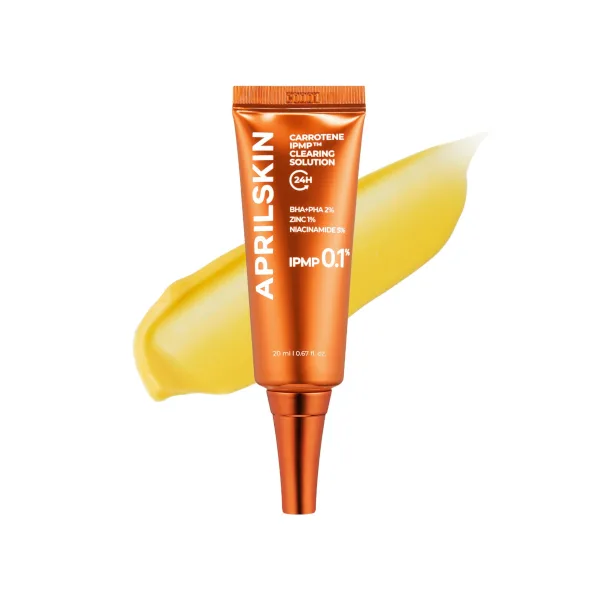 Aprilskin
Carrotene IPMP Clearing Solution
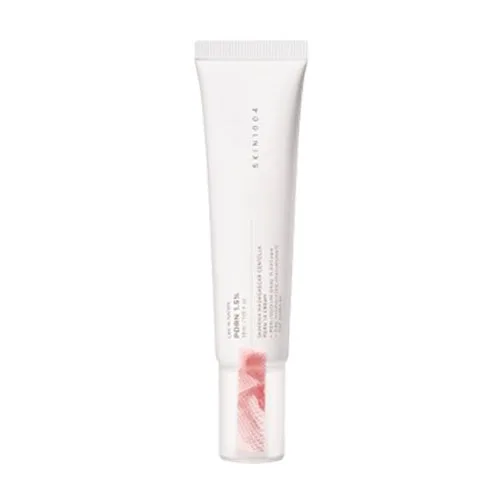 Skin1004
Madagascar Centella PDRN 1.5% Cream
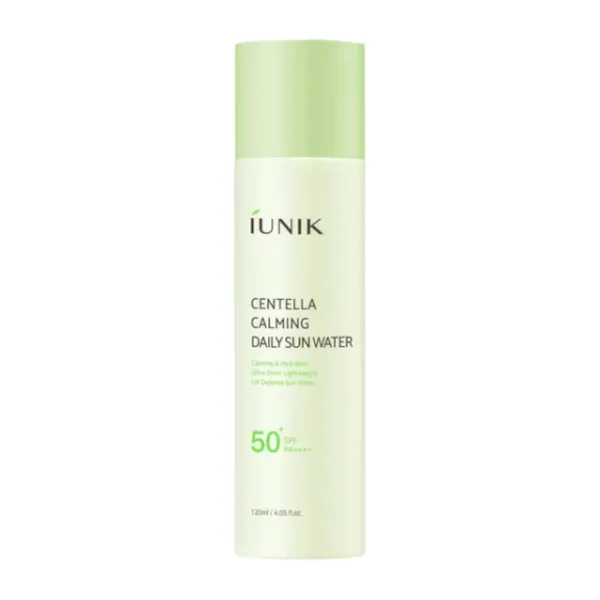 Iunik
Centella Calming Daily Sun Water
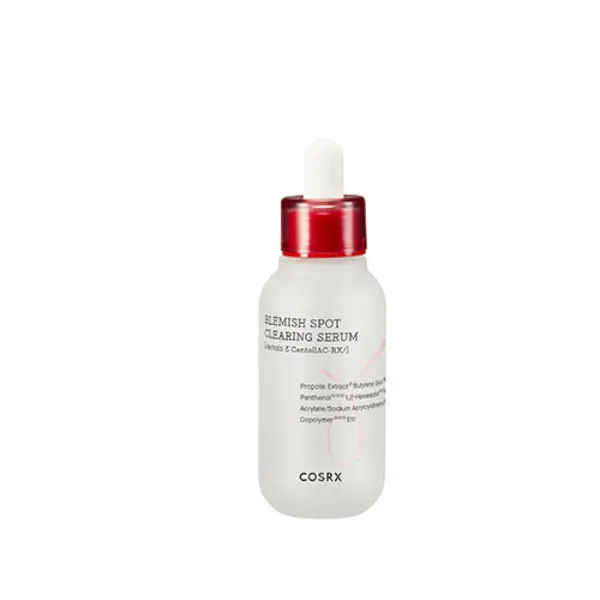 COSRX
AC Collection Blemish Spot Clearing Serum
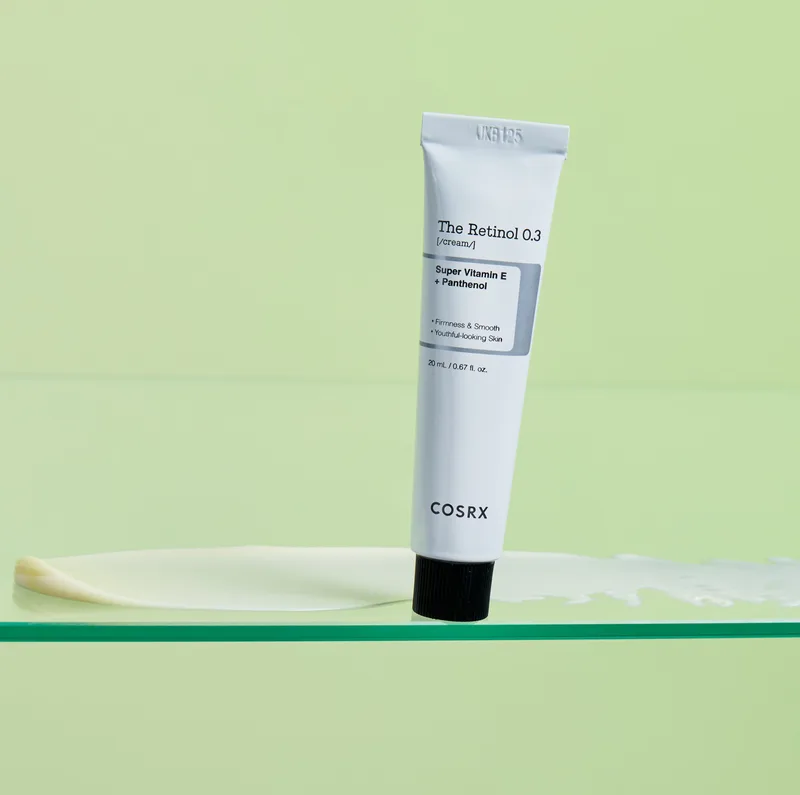 COSRX
The Retinol 0.3 Cream
We may earn a commission when you buy through these links, at no extra cost to you. Prices and availability are set by each store. As an Amazon Associate I earn from qualifying purchases. Skin Gwang is a participant in the YesStyle Affiliate Program, run through Awin, and earns a commission on qualifying purchases made through its YesStyle links. Skin Gwang is a participant in the Stylevana Affiliate Program, run through Awin, and earns a commission on qualifying purchases made through its Stylevana links.
Frequently asked questions
What is the most common ingredient in Korean skincare?
In the Skin Gwang catalog it is niacinamide: 200 of 401 Korean skincare products (50%) list it as a key ingredient. Hyaluronic acid, panthenol and centella follow.
Are most Korean sunscreens SPF 50?
In this catalog, yes. Of the 43 Korean sunscreens that state an SPF, 41 are SPF 50 or 50+. Of the 34 that state a PA rating, 33 are PA++++.
Is Korean skincare always gentle?
No. Many products lean on soothing, moisturizing ingredients, but the catalog also has 29 retinoid products and 62 with exfoliating acids. Only 2 of the retinoid products are tagged for sensitive skin.
How popular is PDRN in Korean skincare?
PDRN (sodium DNA) is a key ingredient in 43 of 401 products (11%) from 17 brands in the catalog. That is far more than snail mucin, which is a key ingredient in 6.
Can these numbers be quoted?
Yes, with a link to this page. They describe the Skin Gwang catalog as of October 24, 2026, not the whole Korean market.
When is it worth seeing a doctor or dermatologist?
For a persistent skin condition, irritation or anything that worries you, see a doctor or dermatologist. These numbers describe product listings only.
Not medical advice — this guide is general skincare information, not a diagnosis or treatment. See our Terms of use.