Fragrance in Korean skincare: 345 ingredient lists checked
72% of Korean skincare products in the Skin Gwang catalog list neither fragrance nor an essential oil in their full ingredient list: 247 of 345. Fragrance (parfum) itself appears in 37 lists (11%), and essential oils such as lavender, geranium and orange peel oil appear in 63 (18%). Cleansers are the exception: more than half carry fragrance or an essential oil. Products tagged for sensitive skin list them less often, but one in five still does. This page counts what the published ingredient lists say as of November 1, 2026, so shoppers who avoid fragrance know where to look closer.
How the numbers were counted
- Which products. The catalog has 401 Korean skincare products from 63 brands: serums, moisturizers, sunscreens, toners, cleansers, masks, essences, eye care and spot, peel and pad products. Hair care and devices are left out. 345 of them have a full ingredient (INCI) list on file, and every count below is out of those 345.
- Fragrance. An ingredient list counts as "lists fragrance" when it names Fragrance, Parfum, Perfume or Aroma.
- Essential oils. A list counts when it names an oil from a scented plant, such as lavender, geranium, rosemary, tea tree, peppermint, ylang-ylang or a citrus peel oil. Carrier oils such as jojoba, sunflower, macadamia or argan oil are not counted, because they are used for texture, not scent.
- Fragrance allergens. 28 lists also name one of the fragrance components that EU rules ask brands to list, such as limonene or linalool. All 28 also list fragrance or an essential oil, so they add no new products to the totals.
- What this cannot show. Ingredient lists come from brands and retailers and can change between batches or markets. "No fragrance listed" does not mean a product has no smell.
The headline numbers
| What the ingredient list shows | Products | Share of 345 |
|---|---|---|
| Neither fragrance nor an essential oil | 247 | 72% |
| At least one essential oil | 63 | 18% |
| Fragrance (parfum) | 37 | 11% |
| Fragrance or an essential oil | 98 | 28% |
| A labelled fragrance allergen (limonene, linalool and similar) | 28 | 8% |
Only 2 products list both fragrance and an essential oil. So Korean products that are scented tend to use one route or the other: a fragrance blend, or plant oils.
The most common essential oils:
- lavender oil (Lavandula angustifolia), in 13 products;
- geranium flower oil (Pelargonium graveolens), in 11;
- orange peel oil, in 10;
- rosemary leaf oil, in 9;
- tea tree leaf oil and lemon peel oil, in 6 each.
The most common labelled allergens are limonene (23 products) and linalool (22), followed by citronellol (10) and geraniol (8). Both limonene and linalool occur naturally in citrus and lavender oils, which is why they show up next to them.
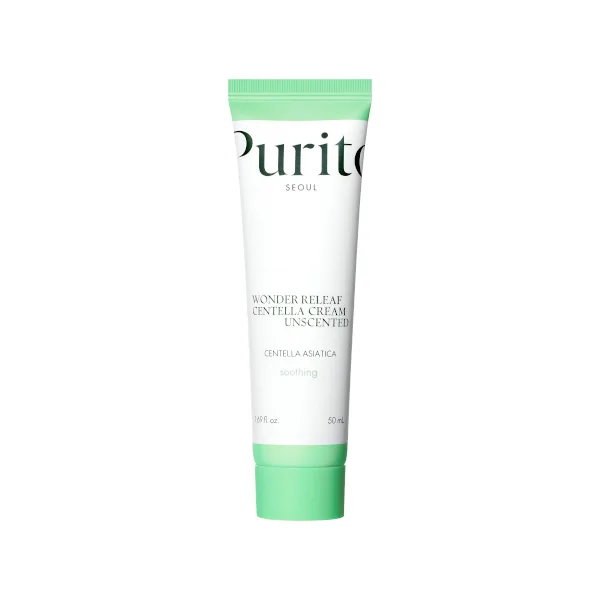
"Unscented" products keep their word. 9 products say "unscented" or "fragrance-free" in their name or description, for example Purito Wonder Releaf Centella Cream Unscented. None of the 9 lists fragrance or an essential oil.
By product type
| Product type | Ingredient lists | Fragrance or essential oil | Neither |
|---|---|---|---|
| Serums | 80 | 17 | 79% |
| Moisturizers | 66 | 16 | 76% |
| Sunscreens | 46 | 12 | 74% |
| Toners | 41 | 9 | 78% |
| Cleansers | 31 | 17 | 45% |
| Spot, peel and pad products | 24 | 13 | 46% |
| Essences | 21 | 5 | 76% |
| Masks | 21 | 8 | 62% |
| Eye care | 15 | 1 | 93% |
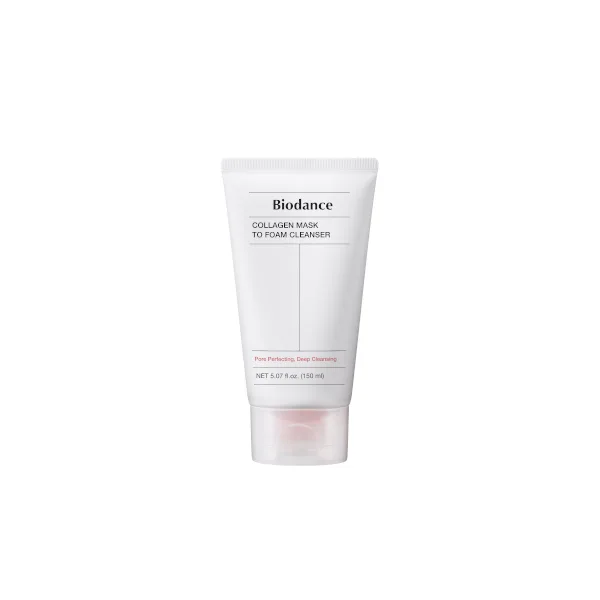
- Cleansers lean scented. 9 of 31 list fragrance and 9 list an essential oil, with one product listing both. 6 of those 17 are cleansing oils or balms. A plain option is Biodance Collagen Mask To Foam Cleanser, whose list names neither.
- Spot, peel and pad products use essential oils. 12 of these 24 list one, most often rosemary or lavender oil, and only 1 lists fragrance.
- Toners list no fragrance at all. None of the 41 names fragrance; the 9 that are not plain carry an essential oil.
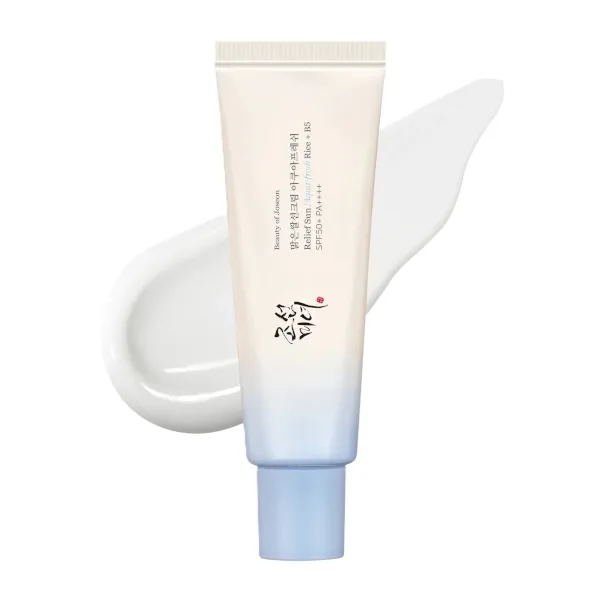
- Sunscreens: 9 of 46 list fragrance. That is the highest fragrance share of any leave-on type. Many do not, for example Beauty of Joseon Relief Sun Aqua-fresh.
- Serums and moisturizers are mostly plain. About three in four list neither, for example Torriden Dive-In Low Molecular Hyaluronic Acid Serum and Isntree Hyaluronic Acid Aqua Gel Cream.
By skin type tag
| Tag | Ingredient lists | Fragrance or essential oil | Share |
|---|---|---|---|
| Tagged for sensitive skin | 173 | 35 | 20% |
| Not tagged for sensitive skin | 172 | 63 | 37% |
| Sensitivity or redness concern | 118 | 20 | 17% |
| Oily skin | 160 | 57 | 36% |
| Acne-prone skin | 32 | 16 | 50% |
- The sensitive tag helps, but it is not a guarantee. Products tagged for sensitive skin list fragrance or an essential oil about half as often as the rest. Of the 35 that do, 26 carry an essential oil rather than fragrance, so a quick scan for the word "fragrance" alone would miss most of them.
- Products for oily and acne-prone skin are scented more often. Half of the products tagged for acne list fragrance or an essential oil, mostly as essential oils.
- An example of a plain product tagged for sensitive and oily skin is Numbuzin No.1 Pantothenic B5 Active Soothing Cream.
By brand
Brand habits differ more than product types do. Among brands with at least 9 ingredient lists in the catalog:
- None of the lists names fragrance or an essential oil for Isntree (16), Torriden (14), Beauty of Joseon (14), Biodance (10) and Numbuzin (9).
- Mostly plain: Skin1004 (2 of 20 list either), Purito (2 of 13), Anua (4 of 21) and COSRX (6 of 25).
- Mostly scented: Some By Mi (9 of 10) and Medicube (24 of 36).
These counts cover only the products in this catalog, not each brand's full range.
How to choose
- Read the full ingredient list, not only the front of the pack. Look for Fragrance or Parfum, and also for essential oils, which most scented products here use instead.
- Know the oil names. Lavandula, Pelargonium (geranium), Citrus peel oils, Rosmarinus (rosemary), Melaleuca (tea tree) and Mentha (peppermint) are the most common ones in this catalog.
- Use limonene and linalool as a hint. They usually point to a fragrance or a citrus or lavender oil higher up the list.
- Take extra care with cleansers and spot products. They are the two types where more than half list fragrance or an essential oil.
- Start one new product at a time and patch test it, even when nothing scented is listed.
The sensitive-skin guide shows a gentle routine, and Korean skincare by the numbers counts key ingredients across the same catalog. Browse moisturizers, cleansers or sunscreens to read each product's full ingredient list.
This page describes published ingredient lists. It is not medical advice; for a reaction that does not settle or a suspected allergy, see a doctor or dermatologist.
Products in this guide
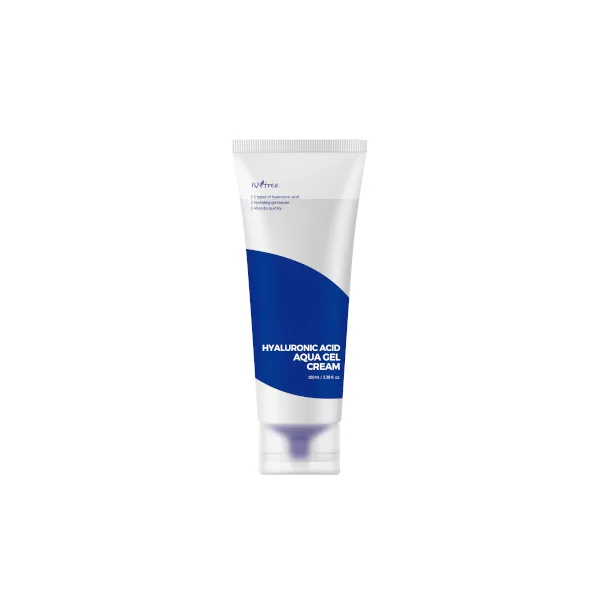 Isntree
Hyaluronic Acid Aqua Gel Cream
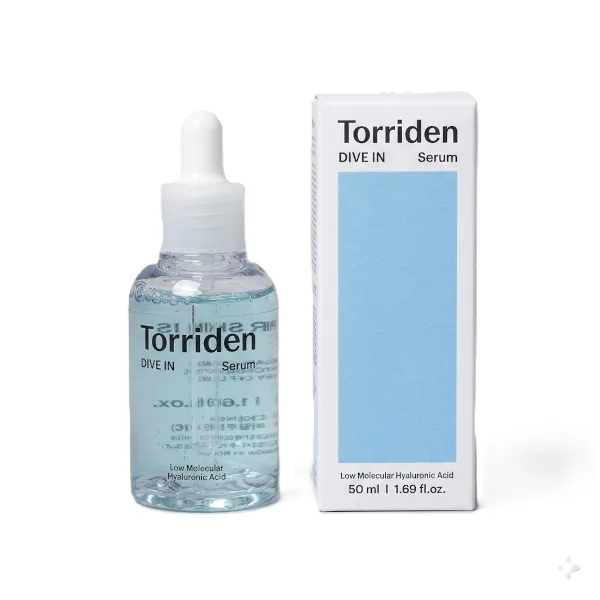 Torriden
Dive-In Low Molecular Hyaluronic Acid Serum
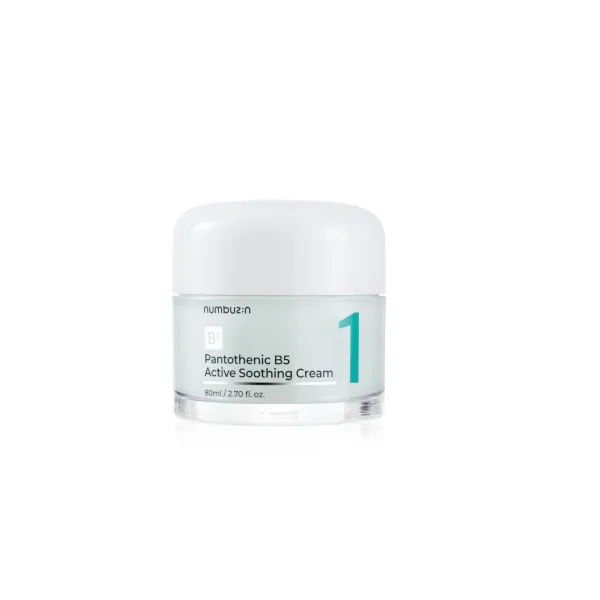 Numbuzin
No.1 Pantothenic B5 Active Soothing Cream
 Beauty of Joseon
Relief Sun Aqua-fresh
 Biodance
Collagen Mask To Foam Cleanser
 Purito
Wonder Releaf Centella Cream Unscented
We may earn a commission when you buy through these links, at no extra cost to you. Prices and availability are set by each store. As an Amazon Associate I earn from qualifying purchases. Skin Gwang is a participant in the YesStyle Affiliate Program, run through Awin, and earns a commission on qualifying purchases made through its YesStyle links. Skin Gwang is a participant in the Stylevana Affiliate Program, run through Awin, and earns a commission on qualifying purchases made through its Stylevana links.
Frequently asked questions
Is most Korean skincare fragrance-free?
In the Skin Gwang catalog, most is. 247 of 345 Korean skincare products (72%) list neither fragrance (parfum) nor an essential oil in their full ingredient list. 37 list fragrance and 63 list at least one essential oil.
Which Korean product types most often contain fragrance or essential oils?
Cleansers. 17 of 31 cleansers (55%) list fragrance or an essential oil, and so do 13 of 24 spot, peel and pad products. Eye care is the plainest group, with 1 of 15.
Are products tagged for sensitive skin free of fragrance?
Not always. Of 173 products tagged for sensitive skin, 35 (20%) list fragrance or an essential oil, mostly essential oils (26). Among products without the sensitive tag the share is 37%.
Does "no fragrance listed" mean a product has no scent?
No. Plant extracts, oils and the base itself can smell. It only means the published ingredient list names no fragrance (parfum) and no essential oil.
Can these numbers be quoted?
Yes, with a link to this page. They describe the ingredient lists in the Skin Gwang catalog as of November 1, 2026, not the whole Korean market.
When is it worth seeing a doctor or dermatologist?
If a product causes redness, stinging or a rash that does not settle, or you suspect a fragrance allergy, see a doctor or dermatologist. Patch testing for allergies is done by a doctor.
Not medical advice — this guide is general skincare information, not a diagnosis or treatment. See our Terms of use.