
Korean sunscreen guide: SPF, PA ratings and formulas
For a Korean sunscreen, look for SPF 30 or higher, a broad-spectrum label, and a PA rating if the brand lists one. SPF describes protection from UVB, the rays that cause sunburn. PA is a Japanese-origin rating of UVA protection shown as plus signs, and PA++++ is the highest grade. Beyond that, the right formula is the one you will actually wear every day, and this guide compares forms by how they suit different skin types.
The skin types, concerns and key ingredients below are the information we have on file for each product. That can be incomplete, and it says nothing about the SPF or PA of a product unless the name states it, so check the packaging before you buy.
What SPF and PA mean
SPF is the figure most people know. It relates to UVB, the rays that cause sunburn. The American Academy of Dermatology recommends a broad-spectrum, water-resistant sunscreen with SPF 30 or higher. "Broad spectrum" means the product also protects against UVA.
PA is the part you see mostly on Korean and Japanese sunscreens. It is a grade for UVA protection, written as plus signs from PA+ to PA++++; more plus signs mean more UVA protection. The system comes from Japan, and the top grade, PA++++, was added in a later revision. You can read more in the sunscreen overview on Wikipedia.
Three products in this guide carry "PA++++" in their name in our catalog: the Anua sun cream, the Beauty of Joseon sun stick and the Skin1004 suncream. For the others, check the packaging.
Cream, stick, essence or mineral?
The names in our catalog show the form. Each has trade-offs, and none is automatically better.
- Cream. A lotion-like texture you spread with your fingers. The form tells you nothing about skin type, so read the tags below, not the name.
- Stick. A solid bar you swipe over the skin. It is easy to carry and to reapply. Check the packaging for how much to use, because the amount matters for any sunscreen.
- Essence or "water" textures. Products named this way, such as the Missha essence sun below, are named for a lighter, runnier texture.
- Mineral filters. Sunscreens that list zinc oxide or titanium dioxide use mineral (physical) filters; other sunscreens use chemical filters. One product below lists both zinc oxide and titanium dioxide as key ingredients on file, and one uses zinc oxide alone.
Whatever you pick, apply it as the packaging directs, reapply about every two hours when outdoors, and pair it with shade and clothing. The American Academy of Dermatology says sunscreen alone cannot fully protect you.
Sunscreens for oily and combination skin
- Beauty of Joseon Matte Sun Stick: Mugwort + Camelia SPF50+ PA++++ is a stick tagged for oily and combination skin and for oiliness. Key ingredients on file: mugwort extract, camellia sinensis and centella asiatica. Silica appears in its full ingredient list. It is the sunscreen step in our oily-skin routine.
- Innisfree Daily UV Defense Sunscreen SPF 36 is tagged for oily, combination and normal skin, and for hyperpigmentation. Key ingredients on file: centella asiatica, purslane and green tea leaf extracts. Its ingredient list on file includes fragrance.
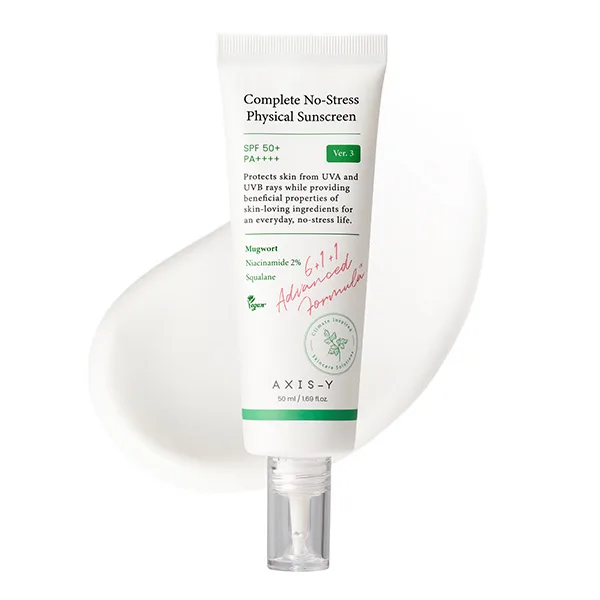
- Axis-Y Complete No-Stress Physical Sunscreen V3 is a mineral sunscreen tagged for sensitive, normal, combination, dry and oily skin, and for sensitivity, redness and dullness. Key ingredients on file: zinc oxide, niacinamide (2%), hyaluronic acid, squalane and calendula extract.
Sunscreens for sensitive skin
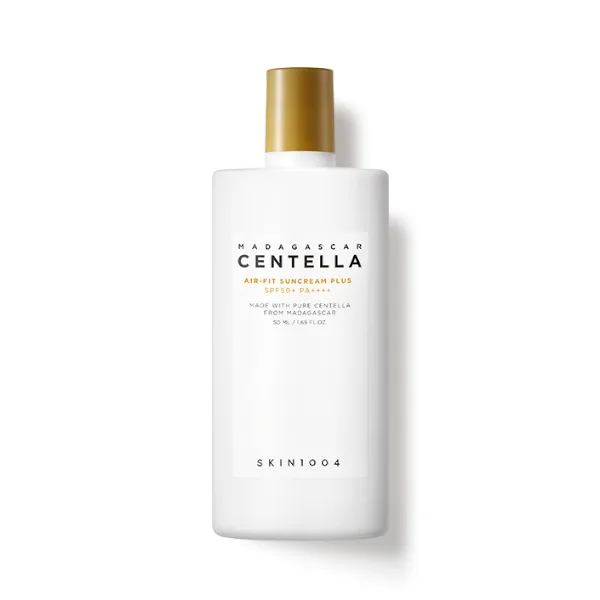
- Skin1004 Madagascar Centella Air-Fit Suncream Plus SPF50+ PA++++ is tagged for oily, combination, sensitive and normal skin, and for redness, sensitivity and oiliness. Key ingredients on file: centella asiatica extract, zinc oxide, titanium dioxide and niacinamide.
- Anua Heartleaf Silky Moisture Sun Cream SPF50+ PA++++ is tagged for oily, combination, normal and sensitive skin, and for sensitivity, redness and dryness. Key ingredients on file: heartleaf extract, niacinamide and panthenol.
- COSRX Aloe Soothing Sun Cream SPF50 is tagged for normal, oily, combination and sensitive skin, and for sensitivity and dryness. Its key ingredient on file is aloe barbadensis leaf extract.
See also our guide for sensitive skin.
Sunscreens for dry and normal skin
- Beauty of Joseon Relief Sun: Rice + Probiotics SPF50+ is tagged for dry, combination, normal and sensitive skin, and for dryness and dullness. Key ingredients on file: rice extract and niacinamide.
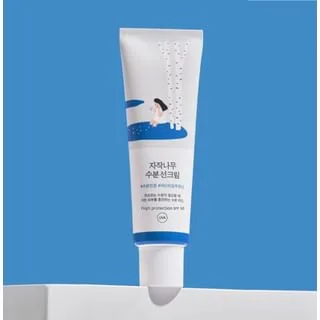
- Round Lab Birch Juice Moisturizing Sunscreen is tagged for dry, normal, sensitive and combination skin, and for dryness. Key ingredients on file: birch sap, sodium hyaluronate and niacinamide.
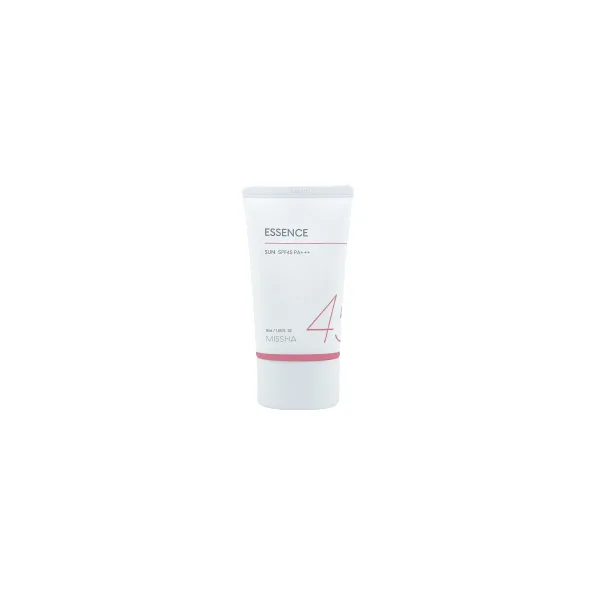
- Missha All Around Safe Block Essence Sun SPF45 is an essence-type sunscreen tagged for normal, combination, dry and oily skin. Key ingredients on file: lotus flower extract, green tea leaf extract and licorice root extract.
You can browse every product in the sunscreen category, or all products from a brand such as Beauty of Joseon or Purito.
How to choose
- Check the numbers. SPF 30 or higher and a broad-spectrum label are the dermatologist baseline. A PA grade is a useful extra on Korean products.
- Pick a form you will wear daily. A sunscreen left in the drawer protects nobody.
- Match the tags to your skin type, then read the full ingredient list for anything you react to, fragrance included.
- Plan the removal. Sunscreen is designed to last through the day. Many Korean routines remove it in the evening with an oil or balm and a second cleanser; see our double cleansing guide.
- Patch test. The American Academy of Dermatology describes a home test using a quarter-sized spot on the inner arm for 7 to 10 days.
What to expect
A sunscreen only helps on the days it is applied, in enough amount, and reapplied. If a product stings your eyes, feels heavy or leaves a white cast you dislike, try another form rather than skipping sunscreen. Spots on your skin that change shape or color, or skin that is persistently painful or getting worse, deserve a doctor or dermatologist, not another product. This guide is general information and not medical advice.
Products in this guide
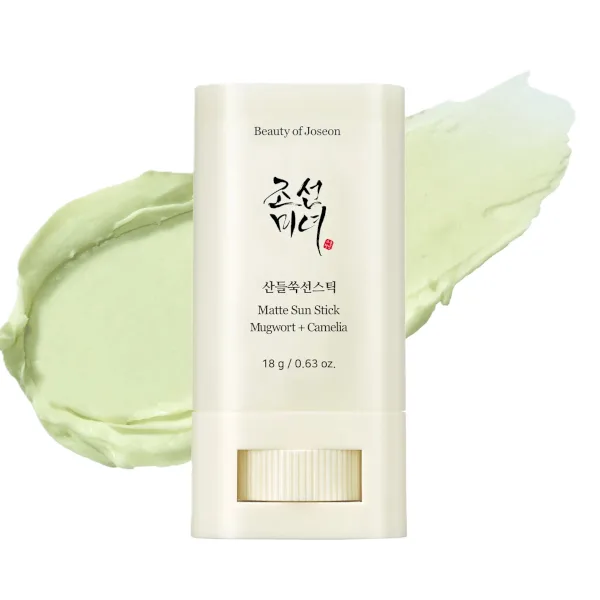 Beauty of Joseon
Matte Sun Stick: Mugwort + Camelia SPF50+ PA++++
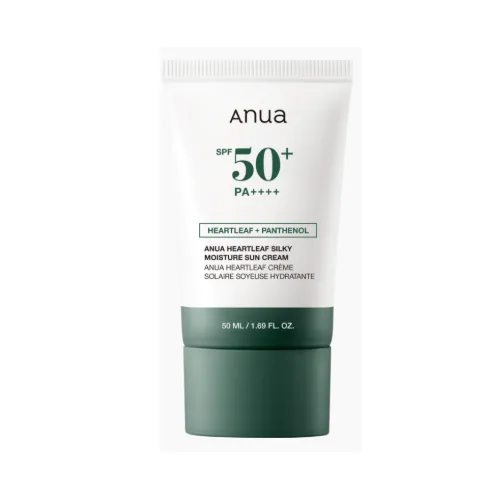 Anua
Heartleaf Silky Moisture Sun Cream SPF50+ PA++++
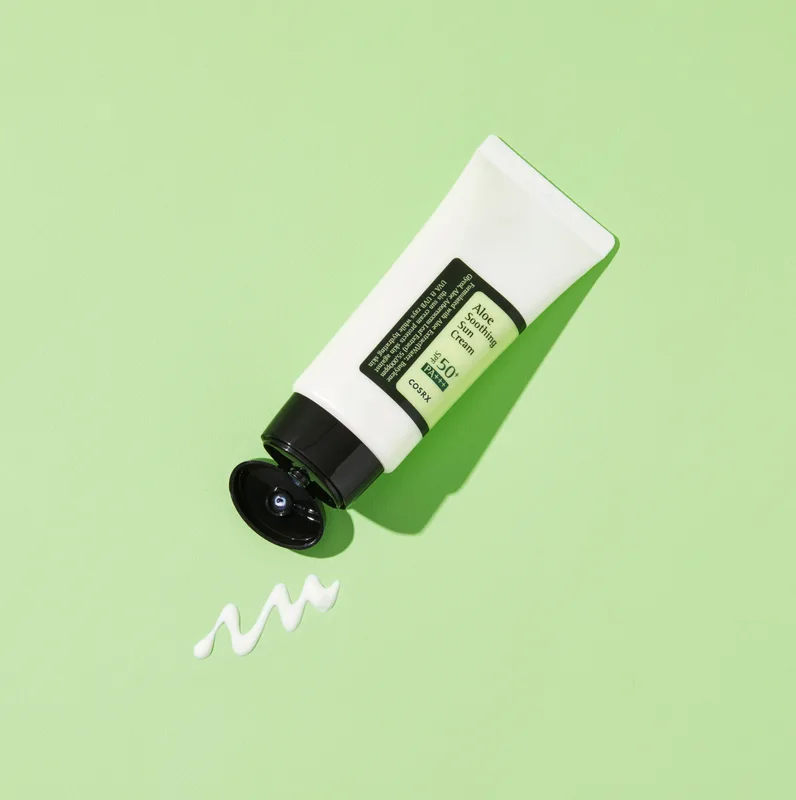 COSRX
Aloe Soothing Sun Cream SPF50+ PA+++
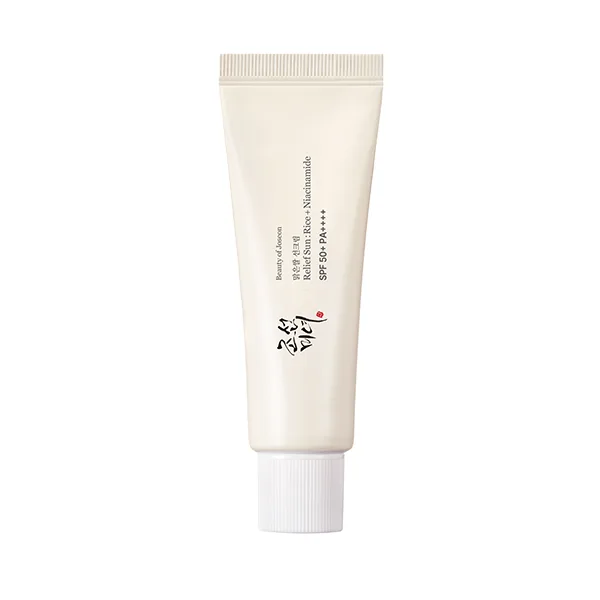 Beauty of Joseon
Relief Sun: Rice + Niacinamide SPF50+
 Round Lab
Birch Juice Moisturizing Sunscreen
 Axis-Y
Complete No-Stress Physical Sunscreen V3
 Skin1004
Madagascar Centella Air-Fit Suncream Plus SPF50+ PA++++
 Missha
All Around Safe Block Essence Sun SPF45
 Innisfree
Daily UV Defense Sunscreen SPF 50+ PA++++
We may earn a commission when you buy through these links, at no extra cost to you. Prices and availability are set by each store. As an Amazon Associate I earn from qualifying purchases. Skin Gwang is a participant in the YesStyle Affiliate Program, run through Awin, and earns a commission on qualifying purchases made through its YesStyle links. Skin Gwang is a participant in the Stylevana Affiliate Program, run through Awin, and earns a commission on qualifying purchases made through its Stylevana links.
Frequently asked questions
What do SPF and PA mean on a Korean sunscreen?
SPF describes protection from UVB, the rays that cause sunburn. PA is a rating from Japan for UVA protection, shown as plus signs; more plus signs mean more UVA protection, and PA++++ is the highest grade.
What SPF should you look for?
The American Academy of Dermatology recommends a broad-spectrum, water-resistant sunscreen with SPF 30 or higher. Several products below are SPF 50 or SPF 50+.
How often should sunscreen be reapplied?
The American Academy of Dermatology advises reapplying about every two hours, and after swimming or sweating. A sun stick can be easier to carry for that, but follow the directions on the packaging.
Are mineral sunscreens the same as zinc oxide and titanium dioxide sunscreens?
Mineral, or physical, sunscreens use zinc oxide, titanium dioxide or both as their UV filters. Two sunscreens below list those as key ingredients on file.
Is sun protection beyond sunscreen needed?
Yes. The American Academy of Dermatology says sunscreen alone cannot fully protect you, and also recommends shade, protective clothing, a hat and sunglasses.
Is this medical advice?
No. It is general information about cosmetic products. If a spot on your skin changes, or a skin problem is persistent, painful or getting worse, see a doctor or dermatologist.
Not medical advice — this guide is general skincare information, not a diagnosis or treatment. See our Terms of use.