
Best Korean sunscreen for sensitive skin: 3 forms
For sensitive skin, start with a Korean sunscreen tagged for sensitivity and redness whose full ingredient list shows no fragrance or essential oils. Axis-Y's mineral cream, Skin1004's Tea-Trica Sun Milk and Tage's Cica-Tree Sun Serum all fit, in three different forms and filter types.
Top picks at a glance
| Pick | Best for | Key ingredients | Link |
|---|---|---|---|
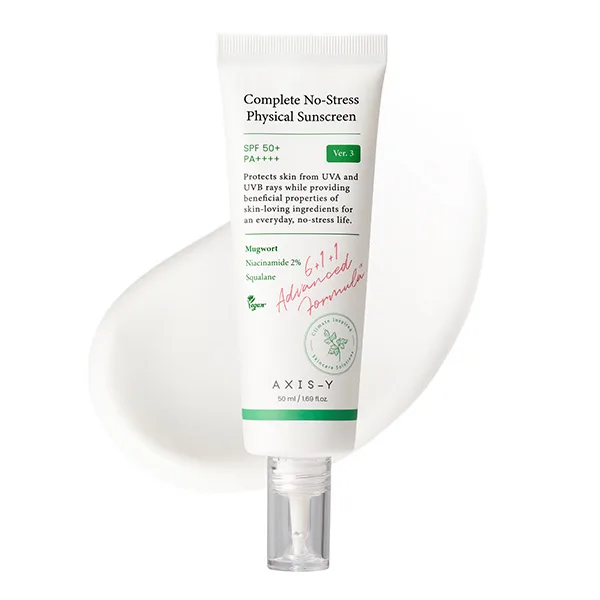 Axis-Y Complete No-Stress Physical Sunscreen V3 |
Sensitive skin that wants a zinc oxide mineral cream | zinc oxide, niacinamide (2%), hyaluronic acid, squalane | Where to buy |
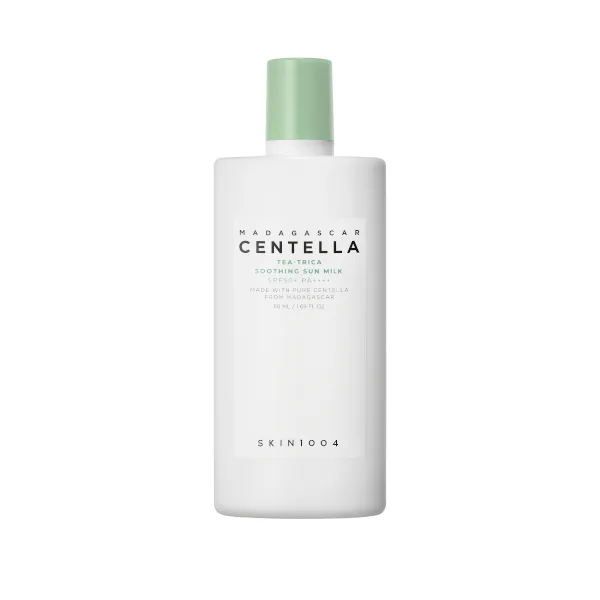 Skin1004 Madagascar Centella Tea-Trica Soothing Sun Milk |
Sensitive or oily-leaning skin that prefers a light milk with chemical filters | centella asiatica extract, tea tree leaf water, niacinamide, zinc oxide | Where to buy |
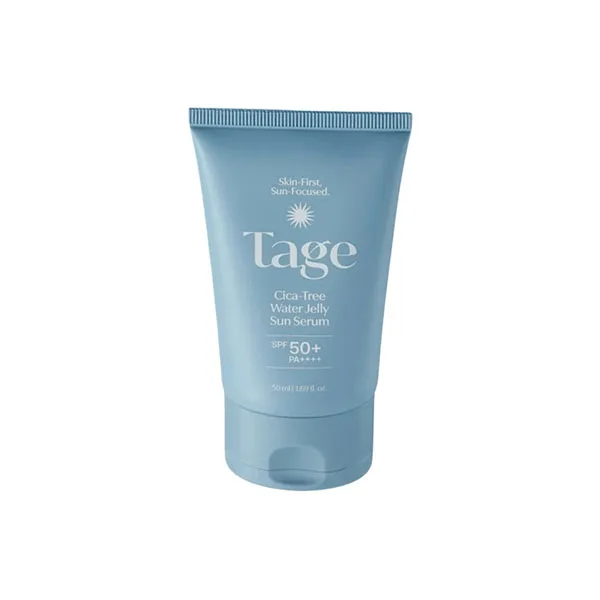 Tage Cica-Tree Water Jelly Sun Serum |
Sensitive skin that likes a thin, cooling serum texture | tea tree leaf water, centella asiatica extract, niacinamide, adenosine | Where to buy |
Picks are matched from the tags in our catalog (skin types, concerns, key ingredients), in no particular order. This is not a ranking of how well products work.
For sensitive skin, a Korean sunscreen tagged for sensitivity and redness, with no fragrance or essential oils in its full ingredient list, is a sensible place to start. Three from the Skin Gwang catalog fit that description in three forms: the Axis-Y Complete No-Stress Physical Sunscreen V3 (a zinc oxide cream), the Skin1004 Madagascar Centella Tea-Trica Soothing Sun Milk (a milk with chemical filters) and the Tage Cica-Tree Water Jelly Sun Serum (a thin serum with chemical filters). The picks are based on catalog tags and full ingredient lists, not tested by the site, and they are not a ranking.
How these three were picked
The catalog tags 27 sunscreens for sensitive skin. These three are tagged for sensitivity and redness, differ in form and filter type, and list neither fragrance nor essential oils in the full ingredient list. For more on SPF and PA ratings see the Korean sunscreen guide. Oily skin has its own sunscreen comparison, and a full gentle routine is in Korean skincare for sensitive skin.
Why each pick fits
Axis-Y Complete No-Stress Physical Sunscreen V3
The Axis-Y Complete No-Stress Physical Sunscreen V3 is tagged for sensitive, normal, combination, dry and oily skin and for sensitivity and redness. Zinc oxide is the only UV filter in its ingredient list, with niacinamide, hyaluronic acid, squalane and calendula extract. No fragrance or essential oil appears in the list. It contains several silicones, so it may not suit anyone who avoids them, and it is easiest to remove with a cleanser in the evening.
Skin1004 Madagascar Centella Tea-Trica Soothing Sun Milk
The Skin1004 Madagascar Centella Tea-Trica Soothing Sun Milk is a milk (SPF 50+, PA++++) tagged for normal, oily, combination and sensitive skin and for sensitivity and redness. Its filters are chemical: ethylhexyl triazone, bis-ethylhexyloxyphenol methoxyphenyl triazine, terephthalylidene dicamphor sulfonic acid and diethylamino hydroxybenzoyl hexyl benzoate, with a little zinc oxide far down the list. It has centella, niacinamide, tea tree leaf water and several plant extracts, but no fragrance or essential oil. Patch test first if you react to botanicals.
Tage Cica-Tree Water Jelly Sun Serum
The Tage Cica-Tree Water Jelly Sun Serum is a water-jelly serum (SPF 50+, PA++++) tagged for normal, oily, combination and sensitive skin and for redness. The first ingredient is tea tree leaf water, followed by chemical filters, with niacinamide, centella extract and adenosine. The full list shows no fragrance and no essential oils. It is built on tea tree water and centella extract, so patch test it if you react to botanicals, and follow the label for amount.
Also tagged for sensitive skin
- Haruharu Wonder Black Rice Pure Mineral Relief Daily Sunscreen: a second zinc oxide option, described as made without added fragrance or color; it contains rice bran oil and silicones.
- Skin1004 Madagascar Centella Air-Fit Suncream Light: a mineral cream with zinc oxide, but the SPF is 30+, lower than the other picks here.
- Iunik Centella Calming Daily Sun Water: a watery chemical sun essence on centella leaf water, with no fragrance in the list.
How to choose
- Mineral or chemical filters. Mineral sunscreens use zinc oxide, titanium dioxide or both; the American Academy of Dermatology recommends mineral sunscreens for people with sensitive skin. Chemical filters (the long names above) are usually thinner and leave less of a cast. The UV filter table shows which each catalog sunscreen uses.
- Fragrance and essential oils. Read the full ingredient list for "Fragrance" and for oils such as geranium, bergamot or rose. The Tocobo Cica Cooling Sun Stick is tagged for sensitive skin but lists fragrance, and the Skin1004 Air-Fit Suncream Plus lists geranium, bergamot and rose oils with citronellol, geraniol and linalool. More in the fragrance guide.
- Pick the form you will wear daily. A cream is the most familiar, a milk spreads easily, a serum is thin and cooling, and a stick suits touch-ups.
- Check the label numbers. Look for broad-spectrum, water-resistant and SPF 30 or higher, as the American Academy of Dermatology advises; catalog tags do not state them.
- Patch test. The American Academy of Dermatology describes testing a new product on a quarter-sized spot twice a day for 7 to 10 days.
- Reapply. About every two hours outdoors, and after swimming or sweating.
Browse all sunscreens, the sensitivity concern page, or the Axis-Y and Skin1004 pages.
This guide is general information about cosmetic products and not medical advice; if a skin problem is persistent, painful or getting worse, see a doctor or dermatologist.
Products in this guide
Axis-Y
Complete No-Stress Physical Sunscreen V3
Skin1004
Madagascar Centella Tea-Trica Soothing Sun Milk
Tage
Cica-Tree Water Jelly Sun Serum
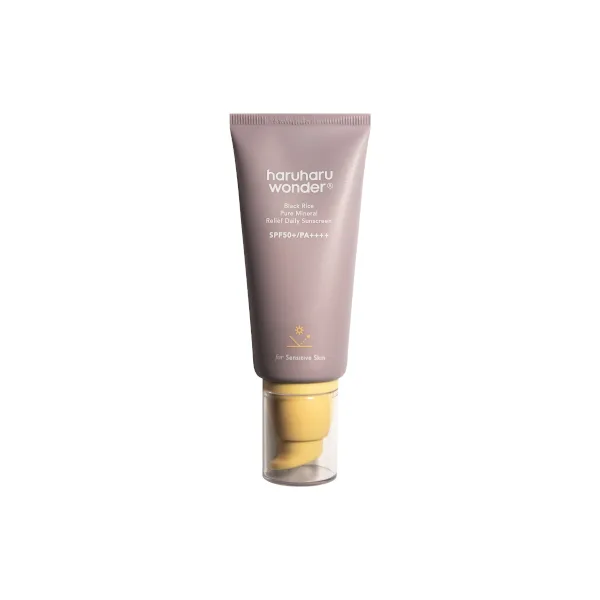 Haruharu Wonder
Black Rice Pure Mineral Relief Daily Sunscreen
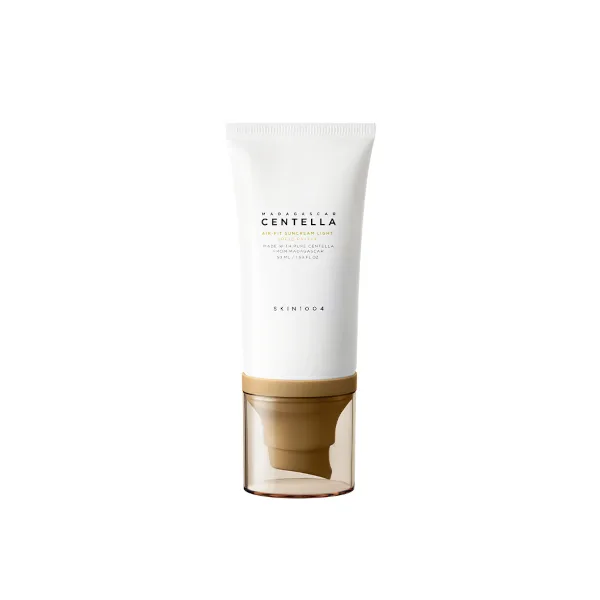 Skin1004
Madagascar Centella Air-Fit Suncream Light
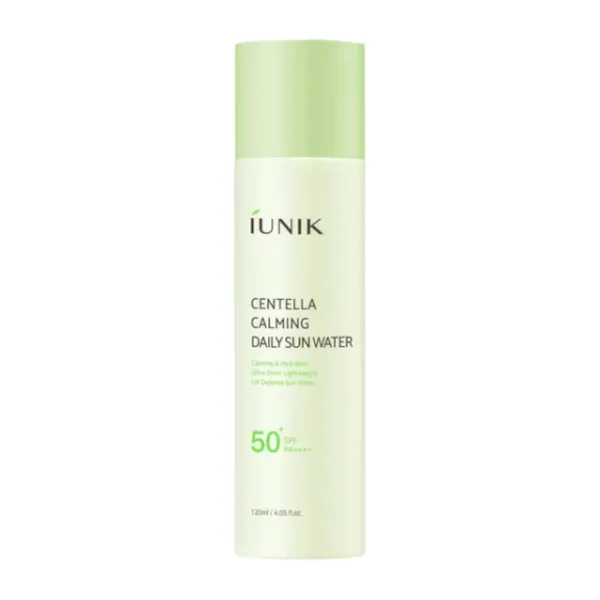 Iunik
Centella Calming Daily Sun Water
 TOCOBO
Cica Cooling Sun Stick
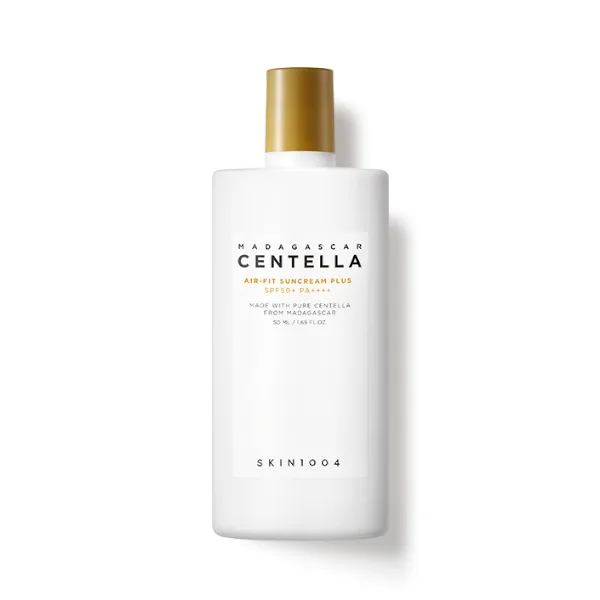 Skin1004
Madagascar Centella Air-Fit Suncream Plus SPF50+ PA++++
We may earn a commission when you buy through these links, at no extra cost to you. Prices and availability are set by each store. As an Amazon Associate I earn from qualifying purchases. Skin Gwang is a participant in the YesStyle Affiliate Program, run through Awin, and earns a commission on qualifying purchases made through its YesStyle links. Skin Gwang is a participant in the Stylevana Affiliate Program, run through Awin, and earns a commission on qualifying purchases made through its Stylevana links.
Frequently asked questions
Is Korean sunscreen good for sensitive skin?
Some of it is. The Skin Gwang catalog tags 27 Korean sunscreens for sensitive skin, in mineral, chemical, milk, serum, essence and stick forms. Tags are a starting point, so read the full ingredient list for fragrance, essential oils and anything you already react to.
Mineral or chemical sunscreen for sensitive skin?
The American Academy of Dermatology says dermatologists recommend mineral (physical) sunscreens for people with sensitive skin. Chemical filters are still widely used and some people wear them comfortably, so the practical test is how your own skin responds. One pick below is mineral and two use chemical filters.
Does fragrance matter in a sunscreen for sensitive skin?
It can. Some sensitive-tagged sunscreens list fragrance or essential oils in the full ingredient list and some do not. The three picks below list neither, and the how-to-choose section names two products that do.
How often should sunscreen be reapplied?
The American Academy of Dermatology advises reapplying about every two hours when you are outdoors, and after swimming or sweating, using a broad-spectrum, water-resistant sunscreen with SPF 30 or higher.
How can a new sunscreen be patch tested?
The American Academy of Dermatology describes applying a quarter-sized amount to the inner arm twice a day for 7 to 10 days before using a new product on your face. Stop if redness, itching or swelling appears.
Is this medical advice?
No. It is general information about cosmetic products. If a skin problem is persistent, painful or getting worse, see a doctor or dermatologist.
Not medical advice — this guide is general skincare information, not a diagnosis or treatment. See our Terms of use.