
Best Korean sunscreen for oily skin: stick, cream or lotion
For oily skin, start with a Korean sunscreen tagged for oiliness in a matte stick or a lightweight cream. Beauty of Joseon's Matte Sun Stick, Skin1004's Air-Fit Suncream Plus and COSRX's Vitamin E Vitalizing Sunscreen all fit, and they differ in form and in filter type.
Top picks at a glance
| Pick | Best for | Key ingredients | Link |
|---|---|---|---|
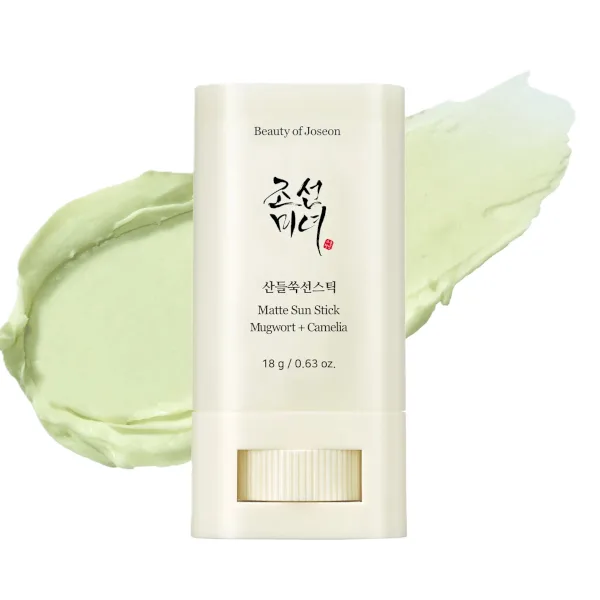 Beauty of Joseon Matte Sun Stick: Mugwort + Camelia SPF50+ PA++++ |
Oily or combination skin that wants a portable matte stick | mugwort extract, camellia sinensis, centella asiatica | Where to buy |
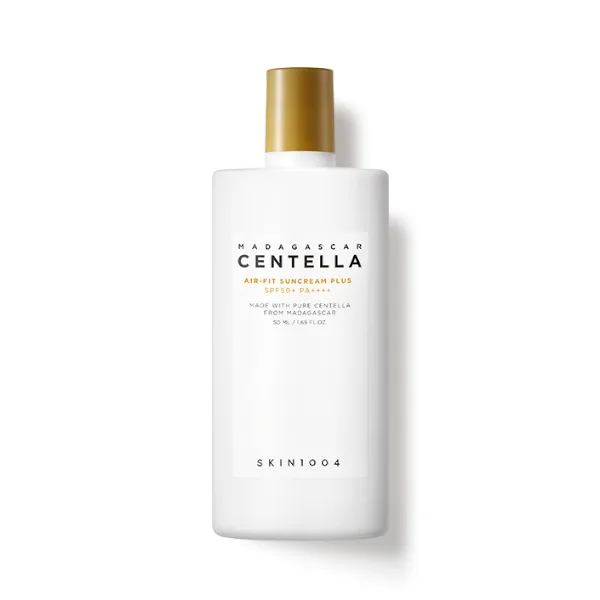 Skin1004 Madagascar Centella Air-Fit Suncream Plus SPF50+ PA++++ |
Oily to sensitive-feeling skin that prefers mineral filters | centella asiatica extract, zinc oxide, titanium dioxide, niacinamide | Where to buy |
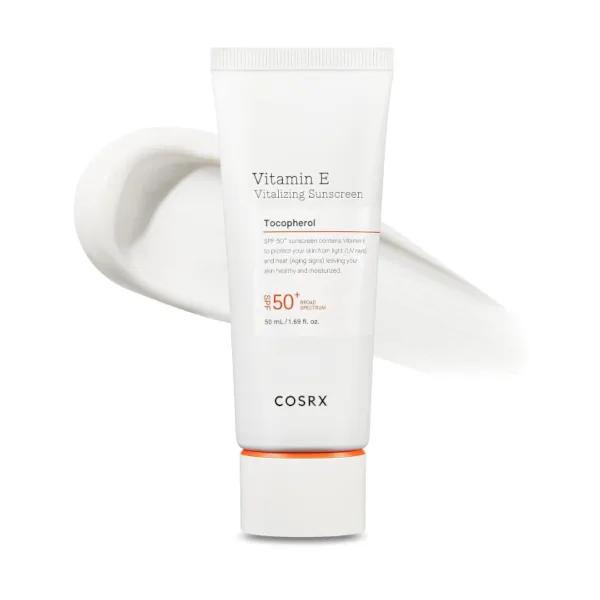 COSRX Vitamin E Vitalizing Sunscreen |
Oily, combination or normal skin that likes a light, glowy lotion | avobenzone, homosalate, octocrylene, octisalate | Where to buy |
Picks are matched from the tags in our catalog (skin types, concerns, key ingredients), in no particular order. This is not a ranking of how well products work.
For oily skin, a Korean sunscreen in a matte stick or a lightweight cream is the usual place to start. Three from our catalog are tagged for oily skin and for oiliness: the Beauty of Joseon Matte Sun Stick (a matte stick), the Skin1004 Madagascar Centella Air-Fit Suncream Plus (a mineral-filter cream) and the COSRX Vitamin E Vitalizing Sunscreen (a light, slightly luminous lotion). They differ in form and filter type, and they are not ranked by performance. The skin types, concerns and key ingredients come from the information we have on file for each product, which can be incomplete, so check the packaging for SPF, PA rating and the full ingredient list before you buy.
Why each pick fits
Beauty of Joseon Matte Sun Stick
The Beauty of Joseon Matte Sun Stick: Mugwort + Camelia SPF50+ PA++++ is tagged for oily and combination skin and for oiliness. It is a stick with a matte, silica-based finish and mugwort, green tea and centella extracts, which makes it easy to carry and to reapply over the day. Our note for it says it may not suit people who want a hydrating, cream-based sunscreen or who are sensitive to chemical UV filters.
Skin1004 Madagascar Centella Air-Fit Suncream Plus
The Skin1004 Madagascar Centella Air-Fit Suncream Plus SPF50+ PA++++ is tagged for oily, combination, sensitive and normal skin, and for oiliness, redness and sensitivity. Its key ingredients include centella asiatica extract, zinc oxide, titanium dioxide and niacinamide, so it is the mineral-filter option here. It is a lightweight cream meant for daily use under makeup; it may feel less moisturizing than a thicker cream.
COSRX Vitamin E Vitalizing Sunscreen
The COSRX Vitamin E Vitalizing Sunscreen is tagged for oily, combination and normal skin and for oiliness. It is a lightweight lotion with four chemical filters (avobenzone, homosalate, octocrylene and octisalate) and tocopherol, and it dries to a natural, slightly luminous finish. It contains fragrance and silicones, so it may not suit people who avoid chemical filters or fragrance.
Also tagged for oily skin
- Abib Airy Sunstick Smoothing Bar: a semi-matte stick with chemical filters, for oily, combination and normal skin.
- OBgE Pore Zero Oil Control Sun Stick: a matte stick for oily and combination skin; it contains alcohol, so it may not suit dry or sensitive skin.
- Mixsoon Bean Sunscreen: a light lotion tagged for normal, combination, oily and sensitive-feeling skin.
How to choose
- Pick the form you will reapply. A stick is easy to keep in a bag; a cream spreads evenly in the morning. The right one is the one you will actually wear every day.
- Match the filters to your preference. Mineral filters (zinc oxide, titanium dioxide) and chemical filters both appear in light formulas; avoid the type you know irritates you.
- Check fragrance and alcohol. If you are fragrance-sensitive, read the full ingredient list for fragrance and alcohol before you buy.
- Check the numbers on the packaging. Look for SPF 30 or higher, a broad-spectrum label and a PA rating; our catalog tags do not state them.
- Patch test a new product, especially if your skin reacts easily.
For more on SPF and PA ratings and the different forms, see our Korean sunscreen guide. If you are building a full routine, start with the oily-skin routine, or browse all sunscreens and the Beauty of Joseon, Skin1004 and COSRX pages.
This guide is general information about cosmetic products and not medical advice; if a skin problem is persistent, painful or getting worse, see a doctor or dermatologist.
Products in this guide
Beauty of Joseon
Matte Sun Stick: Mugwort + Camelia SPF50+ PA++++
Skin1004
Madagascar Centella Air-Fit Suncream Plus SPF50+ PA++++
COSRX
Vitamin E Vitalizing Sunscreen
 Abib
Airy Sunstick Smoothing Bar
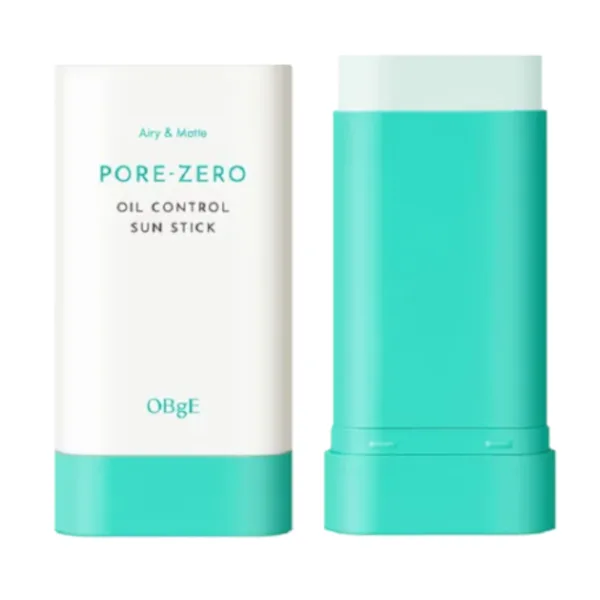 OBgE
Pore Zero Oil Control Sun Stick
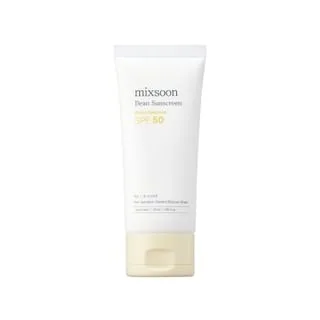 Mixsoon
Bean Sunscreen
We may earn a commission when you buy through these links, at no extra cost to you. Prices and availability are set by each store. As an Amazon Associate I earn from qualifying purchases. Skin Gwang is a participant in the YesStyle Affiliate Program, run through Awin, and earns a commission on qualifying purchases made through its YesStyle links. Skin Gwang is a participant in the Stylevana Affiliate Program, run through Awin, and earns a commission on qualifying purchases made through its Stylevana links.
Frequently asked questions
What makes a sunscreen suit oily skin?
Oily skin usually prefers a light or matte finish that does not feel greasy under makeup. In our catalog, products tagged for oily skin and for oiliness are the ones described as light, matte or non-greasy.
Is a sun stick or a cream better for oily skin?
Neither is automatically better. A stick is easy to carry and to reapply; a lightweight cream spreads more evenly over the whole face. Follow the packaging for how much to use, because the amount matters for any sunscreen.
Are mineral sunscreens better for oily skin?
Not necessarily. Mineral filters (zinc oxide and titanium dioxide) and chemical filters are both used in light formulas. One pick below lists zinc oxide and titanium dioxide as key ingredients; the other two use chemical filters.
How often should sunscreen be reapplied?
The American Academy of Dermatology advises reapplying about every two hours when you are outdoors, and after swimming or sweating, and using a broad-spectrum, water-resistant sunscreen with SPF 30 or higher.
Is this medical advice?
No. It is general information about cosmetic products. If a spot on your skin changes, or a skin problem is persistent, painful or getting worse, see a doctor or dermatologist.
Not medical advice — this guide is general skincare information, not a diagnosis or treatment. See our Terms of use.