
Double cleansing: how and when, with Korean cleansers
Double cleansing means washing your face twice in the evening: first with an oil-based cleanser or balm, then with a water-based cleanser such as a gel or foam. The idea is that the oil step lifts oil-based products like sunscreen and makeup, and the second step rinses away what is left. It is optional, and you only need it on days you wore sunscreen or makeup.
This guide explains how each step works, how to decide whether you need both, and which cleansers in our catalog are tagged for which skin types. The tags and key ingredients below are the information we have on file for each product, and that can be incomplete, so check the packaging before you buy.
How double cleansing works
- Oil or balm cleanser, on dry skin. Massage it over a dry face with clean, dry hands. Add a little water so it turns milky, then rinse with lukewarm water.
- Water-based cleanser, on damp skin. Work a small amount into a light lather with your fingertips, then rinse again with lukewarm water.
- Pat dry, then continue the routine. Use a soft towel, pat rather than rub, and move on to a toner, serum or moisturizer. Our routine for beginners shows where cleansing fits.
The American Academy of Dermatology's face washing guide recommends a gentle, non-abrasive cleanser, lukewarm water, your fingertips instead of washcloths or sponges, no scrubbing, and washing twice a day. Everything below fits inside that advice.
When to double cleanse, and when to skip it
Double cleansing makes sense on days when you wore sunscreen, makeup or both. A sunscreen is designed to stay on the skin through the day, so a single quick wash may not feel like enough to some people.
On days with no sunscreen and no makeup, one cleanse is usually enough. In the morning, a gentle water-based cleanser, or just water, is common. If your skin feels tight, stings or looks red after cleansing, that is a reason to simplify, not to add steps.
Step 1: oil and balm cleansers
These are the first-step cleansers in our catalog, all from the cleanser category; you can also browse a brand such as Round Lab or Anua.
- Beauty of Joseon Radiance Cleansing Balm is a balm tagged for normal, dry, combination and oily skin, and for dullness and texture. Its key ingredients on file are rice extract and rice bran oil. Its full ingredient list on file does not include fragrance.
- Round Lab 1025 Dokdo Cleansing Oil is tagged for dry, combination and normal skin, and for dryness and texture. Key ingredients on file: deep sea water, meadowfoam seed oil, grape seed oil and evening primrose oil. Its ingredient list on file does not include fragrance.
- Anua Heartleaf Pore Control Cleansing Oil is tagged for oily, combination and normal skin, and for pores, oiliness and acne. Key ingredients on file: heartleaf extract, jojoba oil and sunflower seed oil. Its ingredient list on file includes fragrance, so skip it if you avoid fragrance.
- Skin1004 Madagascar Centella Light Cleansing Oil is tagged for oily, combination, sensitive and normal skin, and for redness, sensitivity and texture. Key ingredients on file: centella asiatica leaf extract, sunflower seed oil and jojoba oil.
Step 2: water-based cleansers
The second cleanse is a gel, foam or cream that rinses off with water.
- COSRX Low pH Good Morning Gel Cleanser is tagged for oily, combination and sensitive skin, and for acne and oiliness. Key ingredients on file: tea tree oil and a BHA. Its ingredient list on file does not include fragrance.
- Etude Soon Jung pH 6.5 Whip Cleanser is tagged for sensitive, dry, normal and combination skin, and for sensitivity, redness and dryness. Key ingredients on file: panthenol, madecassoside and camellia sinensis leaf extract.
- Round Lab 1025 Dokdo Cleanser is tagged for normal, combination, sensitive and oily skin, and for oiliness and texture. Key ingredients on file: sea water, panthenol, allantoin and ceramide NP.
- Pyunkang Yul Low pH Pore Deep Cleansing Foam is tagged for oily, combination and normal skin, and for pores, oiliness and texture. Key ingredients on file: centella asiatica extract, witch hazel extract and diatomaceous earth.
How to choose
- Start from your skin type. The tags above are a starting point. For oily skin, pick a light oil or balm and a gel or foam. For dry skin, a richer balm or oil and a milder second cleanser is a common pairing.
- Read the full ingredient list. Fragrance, essential oils and botanical extracts are common reasons for a reaction. "Fragrance-free" and "unscented" are not the same label, and dermatologists suggest fragrance-free products if you react easily.
- Change one product at a time. Add the second cleanse first, or the new product first, not both in the same week.
- Patch test. The American Academy of Dermatology describes a home test: a quarter-sized spot on the inner arm, twice a day for 7 to 10 days, before using a new product on your face.
Common mistakes
- Scrubbing. More pressure does not mean cleaner skin, and scrubbing can irritate it.
- Hot water. Lukewarm is the usual advice for the face.
- Skipping rinsing time. Rinse oil and foam thoroughly, especially at the hairline and jaw.
- Doing it every night out of habit. If you wore nothing that needs lifting, one gentle cleanse is fine.
What to expect
Cleansing is the first step, not a fix for a skin problem. Skin that feels clean but comfortable afterwards, not tight, is a sign the pair of products suits you. If you have breakouts, redness or irritation that is persistent, painful or getting worse, see a doctor or dermatologist rather than adding more products. This guide is general information about cosmetic products and is not medical advice.
Products in this guide
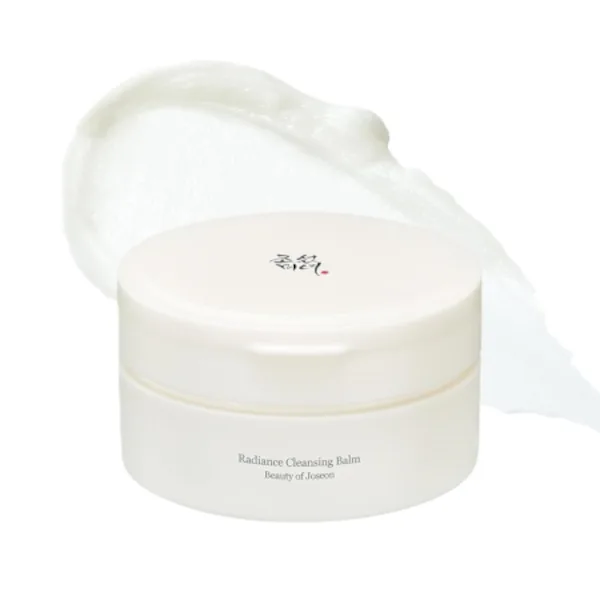 Beauty of Joseon
Radiance Cleansing Balm
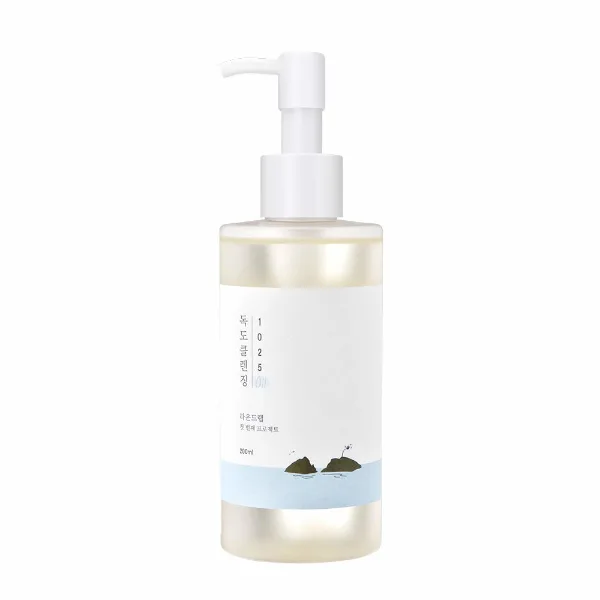 Round Lab
1025 Dokdo Cleansing Oil
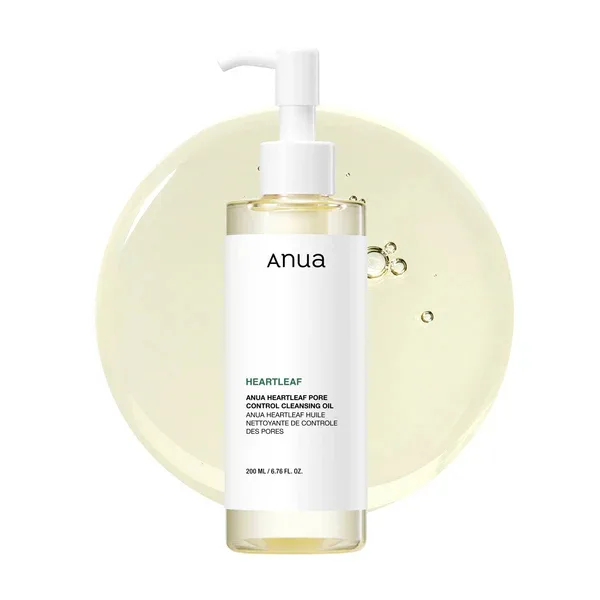 Anua
Heartleaf Pore Control Cleansing Oil
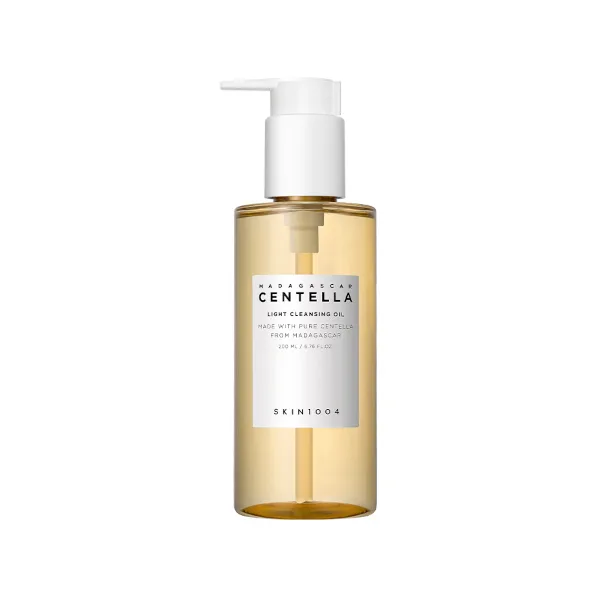 Skin1004
Madagascar Centella Light Cleansing Oil
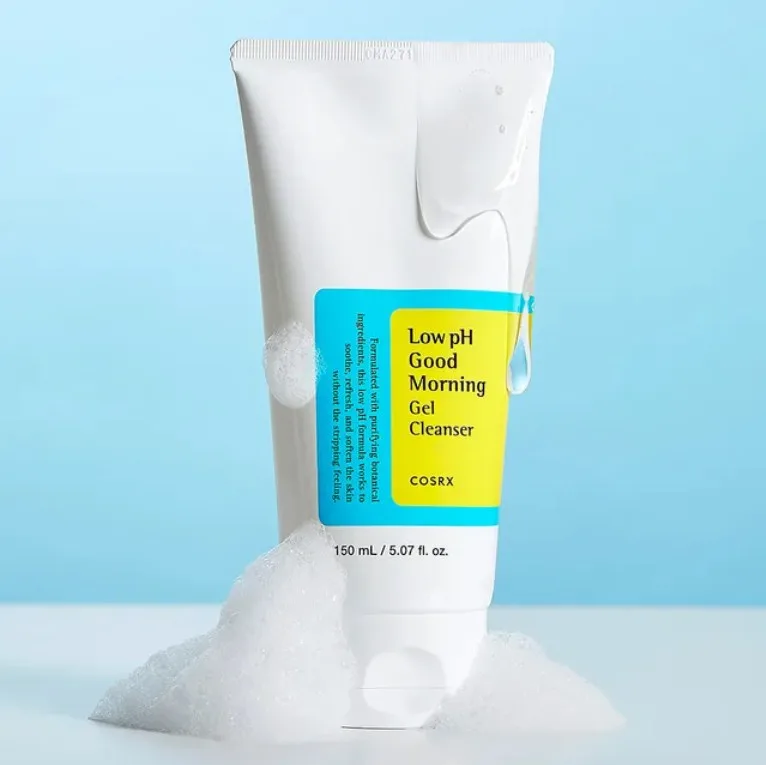 COSRX
Low pH Good Morning Gel Cleanser
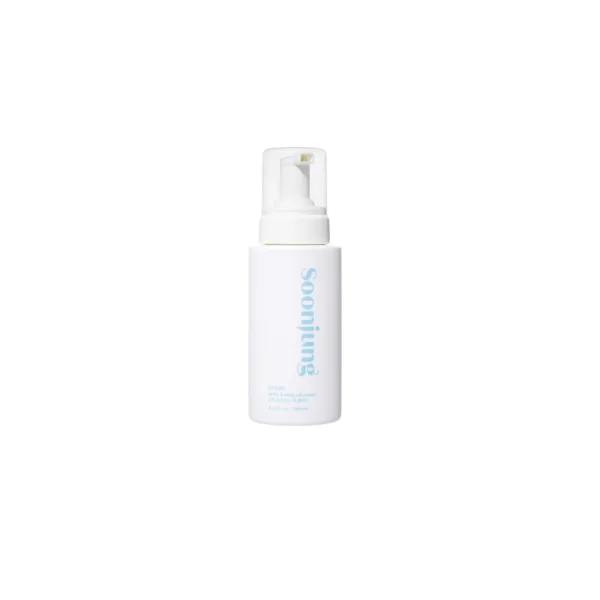 Etude
Soon Jung pH 6.5 Whip Cleanser
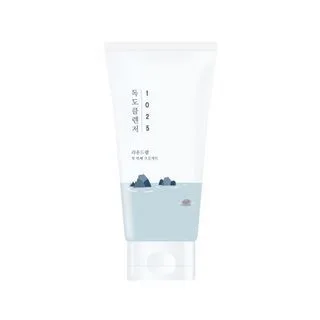 Round Lab
1025 Dokdo Cleanser
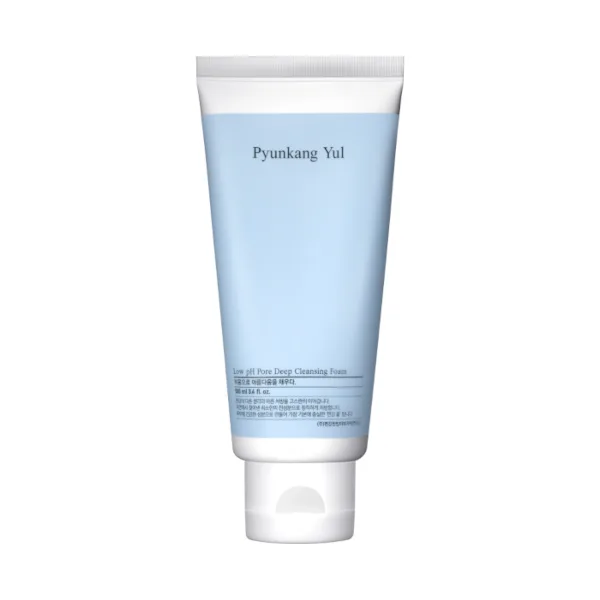 Pyunkang Yul
Low pH Pore Deep Cleansing Foam
We may earn a commission when you buy through these links, at no extra cost to you. Prices and availability are set by each store. As an Amazon Associate I earn from qualifying purchases. Skin Gwang is a participant in the YesStyle Affiliate Program, run through Awin, and earns a commission on qualifying purchases made through its YesStyle links. Skin Gwang is a participant in the Stylevana Affiliate Program, run through Awin, and earns a commission on qualifying purchases made through its Stylevana links.
Frequently asked questions
What is double cleansing?
It means cleansing twice in the evening, first with an oil or balm cleanser and then with a water-based cleanser such as a gel or foam. The first step is meant to lift sunscreen and makeup, the second to rinse away what remains.
Is double cleansing needed every night?
No. It is most useful on days you wore sunscreen or makeup. On a day with neither, one gentle cleanse is enough for many people, and the American Academy of Dermatology suggests washing the face twice a day, not more.
Is double cleansing used in the morning too?
Usually not. In the morning many routines use a gentle water-based cleanser or just water, because there is no sunscreen or makeup to lift.
Can sensitive skin double cleanse?
Some people do, with gentle products and a short routine. If your skin stings or looks red afterwards, drop back to one cleanse and test any new product on a small patch of skin first.
Should you scrub or use a washcloth?
Dermatologists advise against scrubbing the face, and note that washcloths and sponges can irritate skin. Use your fingertips and lukewarm water.
Is this medical advice?
No. It is general information about cosmetic products. If your skin problem is persistent, painful or getting worse, see a doctor or dermatologist.
Not medical advice — this guide is general skincare information, not a diagnosis or treatment. See our Terms of use.