
Korean skincare routine for oily skin: steps and products
A Korean routine for oily skin is built on gentle cleansing, light layers and sunscreen every day, rather than stripping the skin with harsh products. A simple version has up to seven steps, and the three that matter most are a cleanser, a moisturizer and a sunscreen. This guide goes through them in order, with products from our catalog that are tagged for oily skin.
Everything below is based on the information on file for each product: its category, the skin types and concerns it is tagged for, and its key ingredients. That list can be incomplete, so check the packaging before you buy. This guide is not medical advice.
The routine at a glance
| Step | When | Product from our catalog |
|---|---|---|
| 1. Oil cleanser | Evening | Anua Heartleaf Pore Control Cleansing Oil |
| 2. Gel cleanser | Morning and evening | COSRX Low pH Good Morning Gel Cleanser |
| 3. Toner | Morning and evening | Anua Heartleaf 77% Soothing Toner |
| 4. Targeted step | A few evenings a week | COSRX BHA Blackhead Power Liquid |
| 5. Serum | Morning and evening | Beauty of Joseon Glow Serum: Propolis + Niacinamide |
| 6. Moisturizer | Morning and evening | Mizon All In One Snail Repair Cream |
| 7. Sunscreen | Morning, last step | Beauty of Joseon Matte Sun Stick: Mugwort + Camelia SPF50+ |
You do not need all seven. If you are new to this, start with the cleanser, the moisturizer and the sunscreen, then add the rest one at a time.
Step 1: Oil cleanser (evening)
The first step in many Korean evening routines is an oil-based cleanser, used on dry skin to break down sunscreen and makeup before the water-based cleanse. Anua Heartleaf Pore Control Cleansing Oil is a cleanser tagged for oily, combination and normal skin, and for pores, oiliness and acne. Its key ingredients on file are heartleaf extract, jojoba oil and sunflower seed oil.
Massage it onto dry skin, add a little water to turn it milky, then rinse. If you wear no sunscreen or makeup on a given day, you can skip this step.
Step 2: Gel cleanser (morning and evening)
The second cleanse removes what is left and leaves skin feeling clean without tightness. COSRX Low pH Good Morning Gel Cleanser is tagged for oily, combination and sensitive skin, and for acne and oiliness. The key ingredients on file are tea tree oil and a BHA. Its full ingredient list is on its product page, which is worth reading if you react to specific ingredients.
Use lukewarm water, and keep it to about a minute. If your skin feels tight afterwards, try cleansing once a day instead of twice.
Step 3: Toner (morning and evening)
In Korean skincare a toner is usually a light, watery layer rather than a stinging astringent. Anua Heartleaf 77% Soothing Toner is tagged for oily, combination and sensitive skin and for redness, sensitivity and oiliness, and lists houttuynia cordata extract (heartleaf) as its key ingredient. Pat it in with clean hands rather than rubbing.
Step 4: A targeted step (a few evenings a week)
This is the step for pores and texture. COSRX BHA Blackhead Power Liquid is tagged for oily and combination skin and for acne, pores and texture; its key ingredient on file is betaine salicylate, a BHA. Exfoliating products are stronger than the rest of the routine, so add this one on its own, use it a few evenings a week at most, and stop if your skin feels irritated.
Apply it after the toner on clean skin and let it settle before the next layer.
Step 5: Serum (morning and evening)
A serum is a concentrated layer for a specific goal. Beauty of Joseon Glow Serum: Propolis + Niacinamide is tagged for oily, combination and normal skin, and for dullness, texture and uneven tone. Propolis and niacinamide are its key ingredients on file. A few drops are enough for the face.
If you add a serum and a BHA in the same week, introduce them on different days at first, so you can tell which one your skin likes.
Step 6: Moisturizer (morning and evening)
Even oily skin can want moisture, so a light moisturizer stays in the routine. Mizon All In One Snail Repair Cream is tagged for dry, combination, normal and oily skin, and for texture, dullness and dryness. Snail secretion filtrate, adenosine and sodium hyaluronate are its key ingredients on file. Use a thin layer and see how your skin feels by the afternoon.
Among the Korean brands in our catalog this is currently the only moisturizer tagged for oily skin, so this section will grow as the catalog does.
Step 7: Sunscreen (morning, last step)
Sunscreen goes last in the morning, every day. Beauty of Joseon Matte Sun Stick: Mugwort + Camelia SPF50+ is tagged for oily and combination skin and for oiliness. It has a matte, silica-based finish, and its key ingredients on file are mugwort, green tea (camellia sinensis) and centella extracts. A stick is easy to carry and reapply over the day, but follow the amount and reapplication directions on the packaging.
How to choose
- Start from the skin type tags, then check the key ingredients and, where we have it, the full ingredient list.
- Keep the exfoliating step for last. A BHA is the one most likely to irritate if you rush it.
- Pick a sunscreen you will wear daily. Our sunscreen guide compares forms and explains SPF and PA ratings.
- Mind the evening cleanse. If you wear sunscreen, see our double cleansing guide for when a second cleanse is worth it.
- Want the shortest version? Our beginners' routine uses three steps.
You can browse more in the toner and serum categories, or by brand, for example COSRX or Anua.
Building the routine slowly
The most useful habit is changing one thing at a time. Start with a gentle cleanser, moisturizer and sunscreen for a couple of weeks. Then add a toner. Then a serum. Keep the exfoliating step for last, because it is the one most likely to cause irritation if you rush it.
Patch test any new product on a small area for a few days first, especially if your skin is sensitive or you have allergies, and check the full ingredient list on the packaging.
What to expect
Skin changes over weeks, not days, and every person reacts differently. Skin that feels comfortable, not tight and not greasy by midday, is a sign your routine is balanced. If something stings or leaves redness, stop using it. If you have breakouts or any skin problem that is persistent, painful or getting worse, see a doctor or dermatologist rather than adding products. This guide is general information about cosmetic products and is not medical advice.
Products in this guide
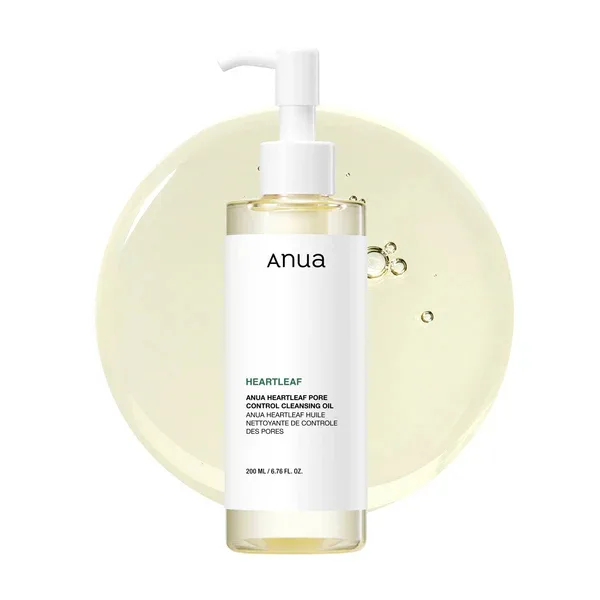 Anua
Heartleaf Pore Control Cleansing Oil
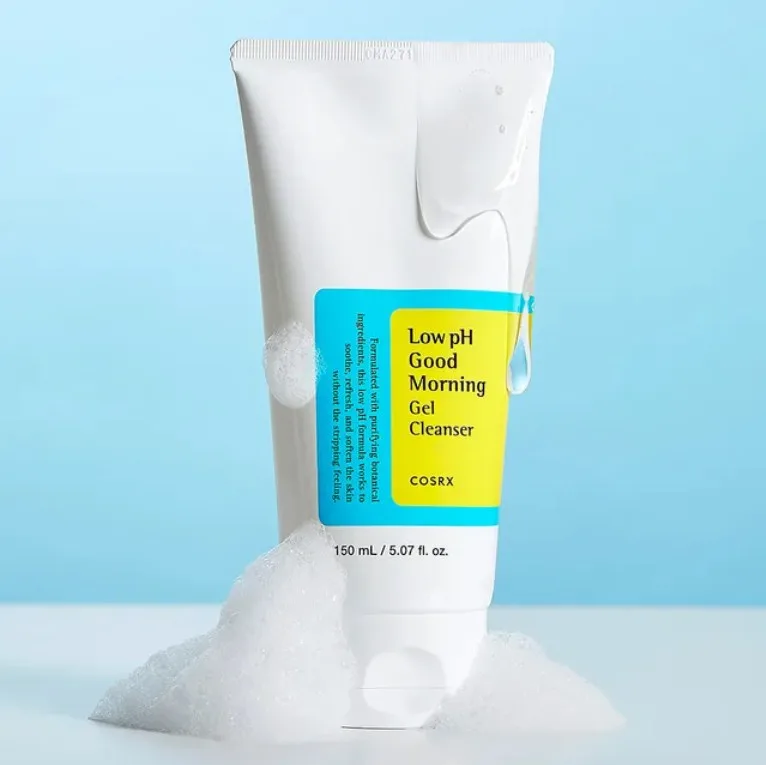 COSRX
Low pH Good Morning Gel Cleanser
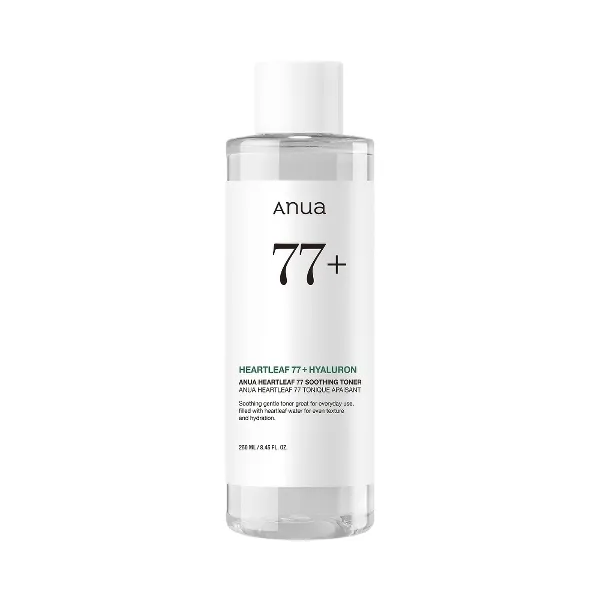 Anua
Heartleaf 77% Soothing Toner
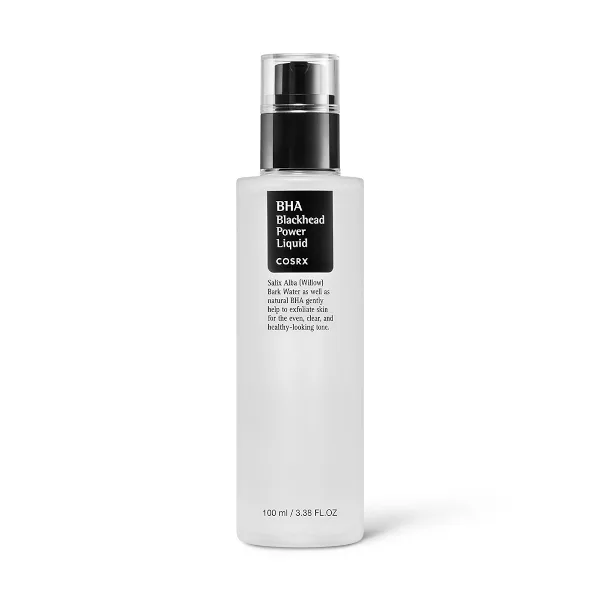 COSRX
BHA Blackhead Power Liquid
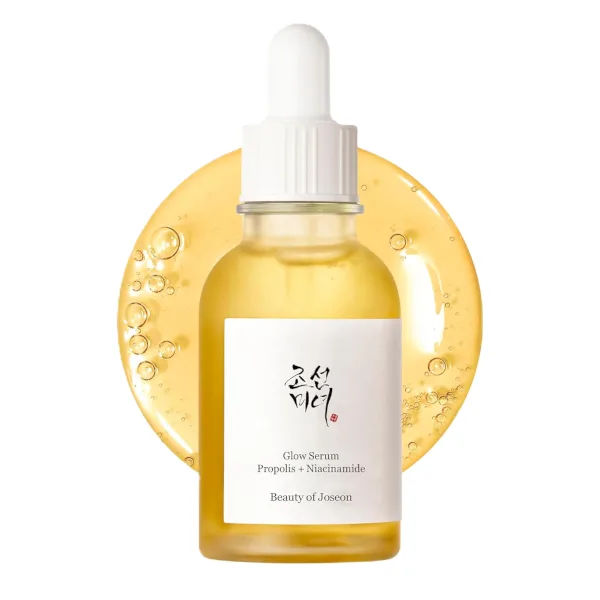 Beauty of Joseon
Glow Serum: Propolis + Niacinamide
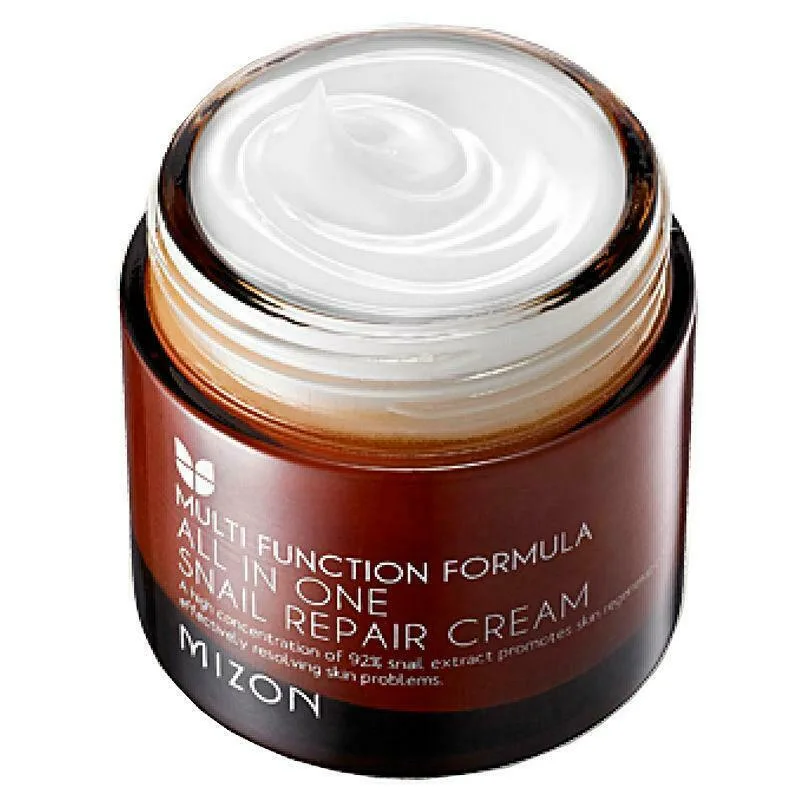 Mizon
All In One Snail Repair Cream
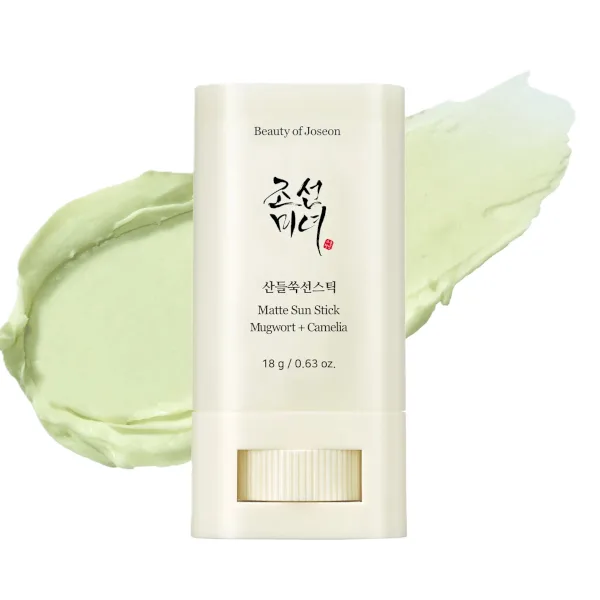 Beauty of Joseon
Matte Sun Stick: Mugwort + Camelia SPF50+ PA++++
We may earn a commission when you buy through these links, at no extra cost to you. Prices and availability are set by each store. As an Amazon Associate I earn from qualifying purchases. Skin Gwang is a participant in the YesStyle Affiliate Program, run through Awin, and earns a commission on qualifying purchases made through its YesStyle links. Skin Gwang is a participant in the Stylevana Affiliate Program, run through Awin, and earns a commission on qualifying purchases made through its Stylevana links.
Frequently asked questions
How many steps does an oily-skin routine really need?
Not ten. A cleanser, a moisturizer and a sunscreen are the core. The toner, targeted step and serum in this guide are optional layers you can add one at a time as you learn how your skin reacts.
Should oily skin skip moisturizer?
Skipping it is a common mistake. Oily skin can still want moisture, and the products here are tagged for oily skin, so a light layer is part of the routine rather than something to leave out.
How often should the BHA product be used?
Start slowly, for example every few days, and watch how your skin responds before using it more. Follow the directions on the packaging, and stop if your skin feels irritated.
Are two cleansers needed?
Many Korean routines cleanse in two steps in the evening, an oil cleanser first and a gel cleanser second. In the morning a gel cleanser or just water is often enough. You can start with the gel cleanser alone.
Where can you check the full ingredient list?
On the product's own packaging and the retailer's page. Our product pages show the key ingredients we have on file, which may be incomplete, so always check the full list if you have allergies or sensitivities.
Is this routine medical advice?
No. It is general information about cosmetic products. For acne that is persistent, painful or leaving marks, or any other skin concern, please see a doctor or dermatologist.
Not medical advice — this guide is general skincare information, not a diagnosis or treatment. See our Terms of use.